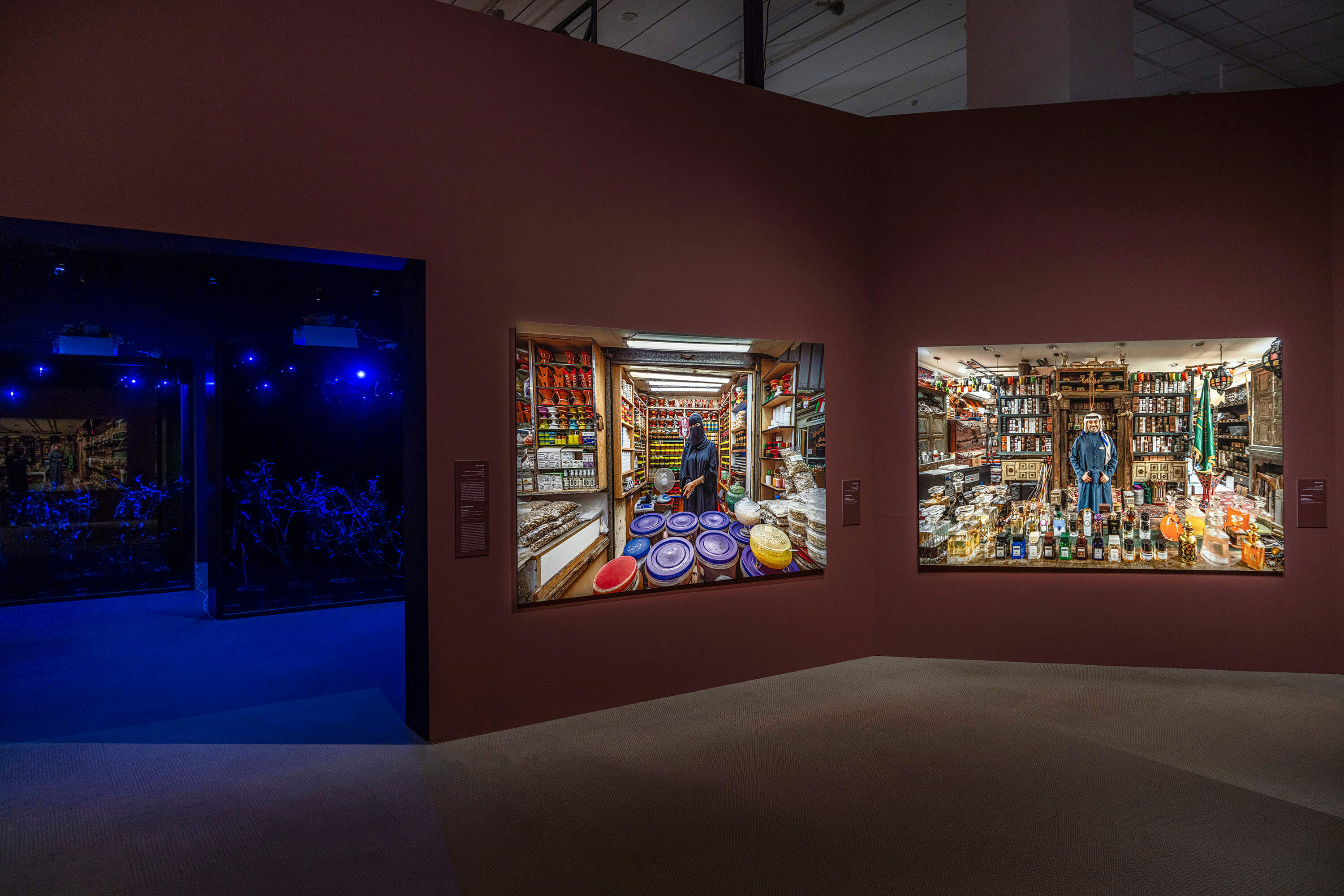
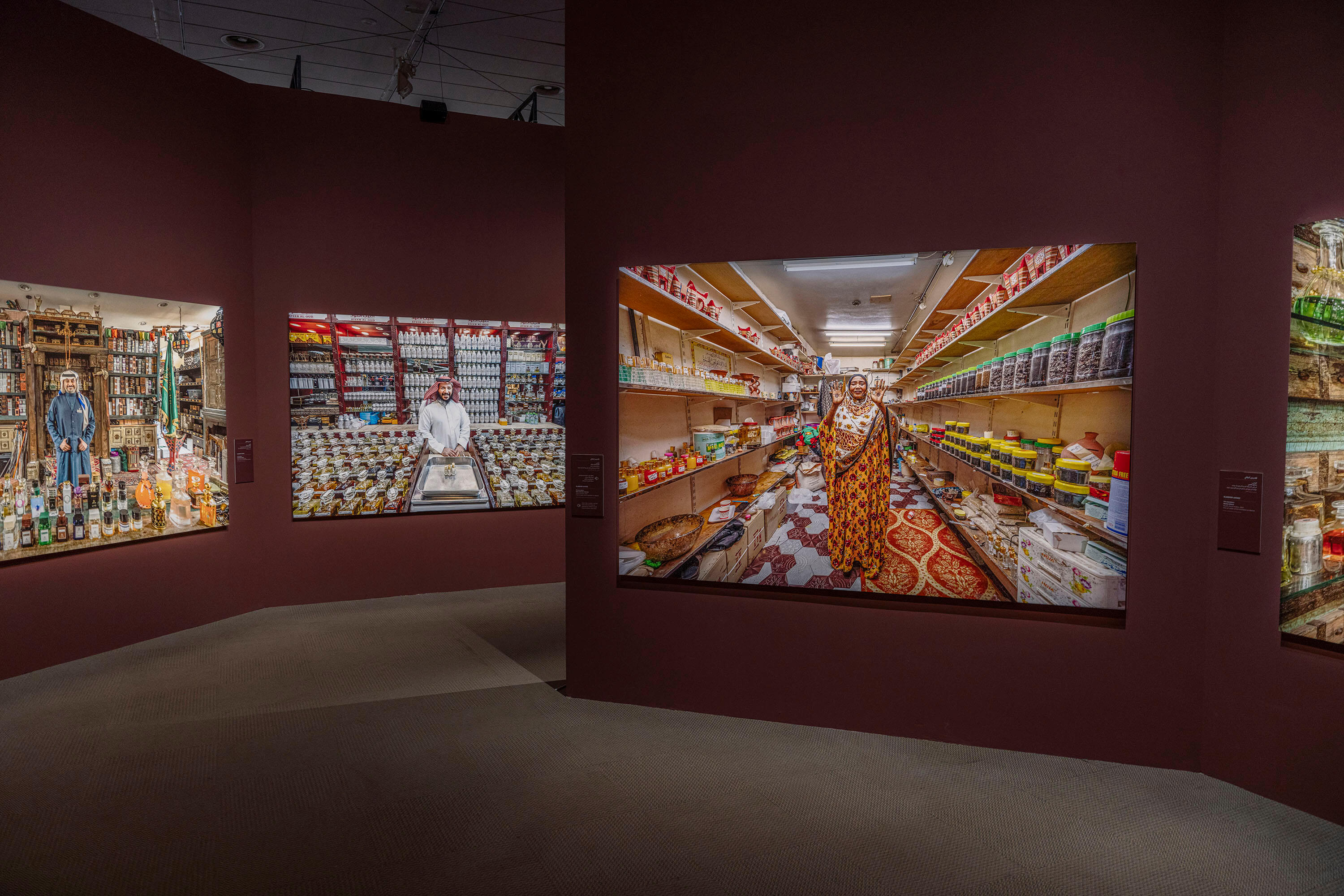
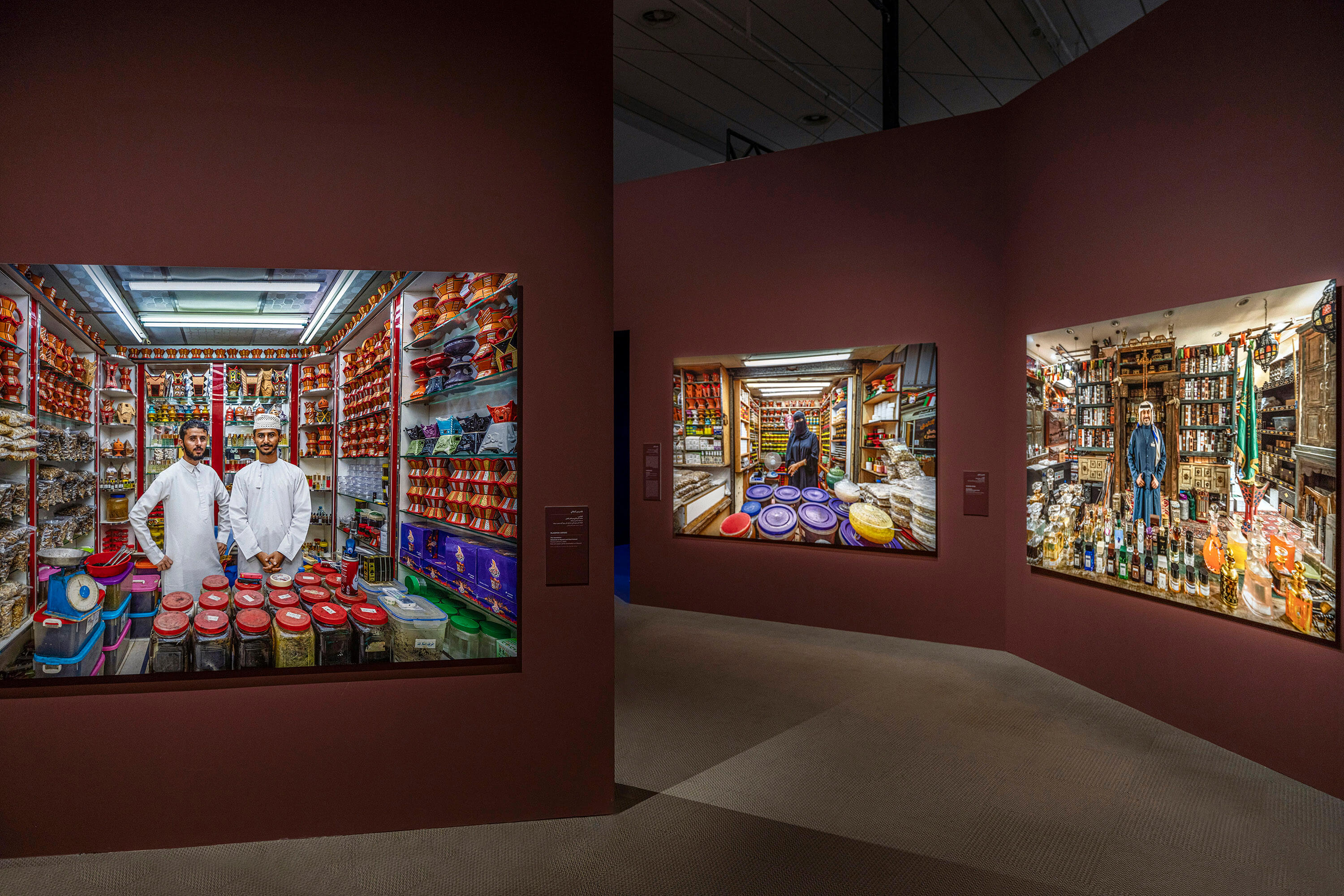
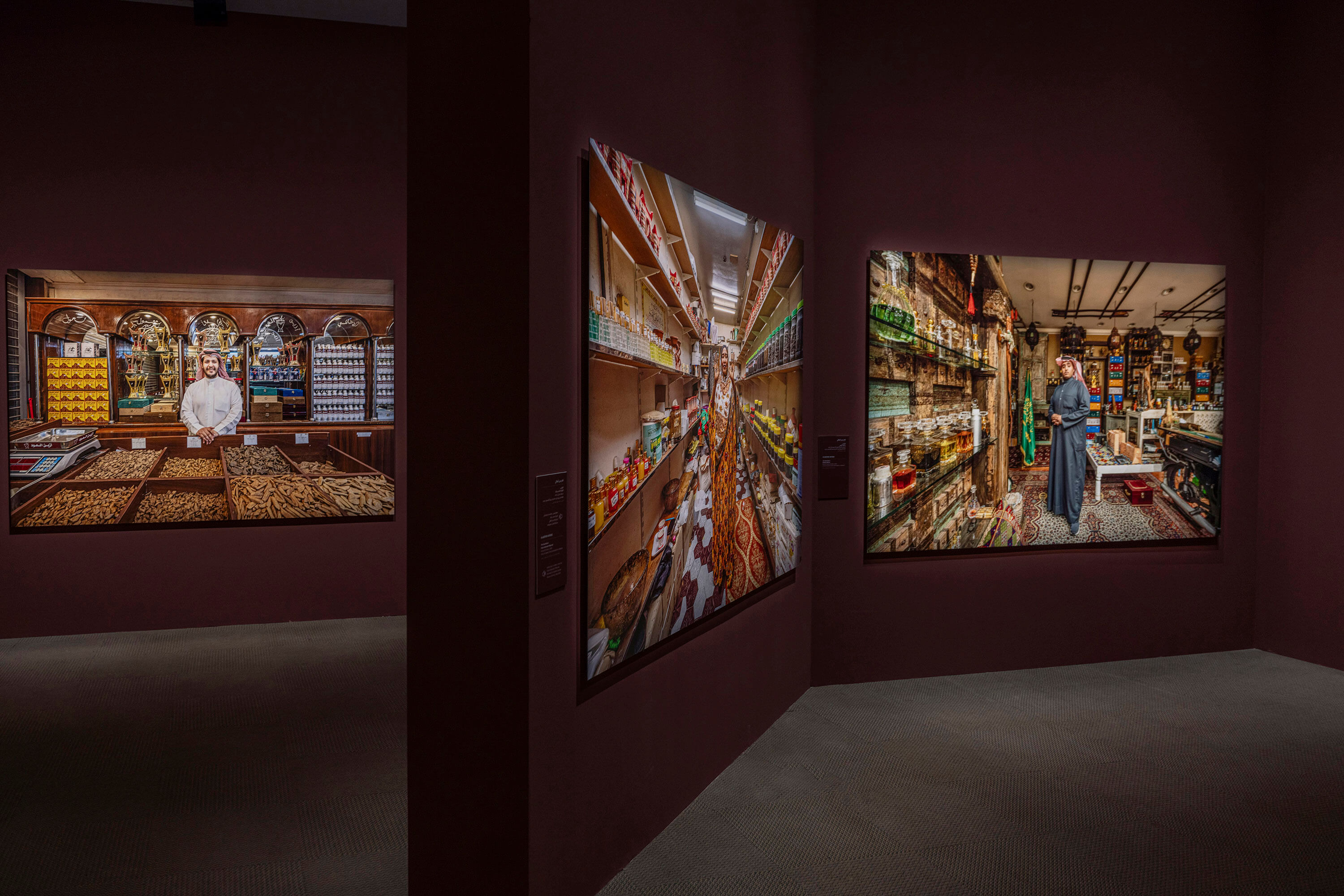
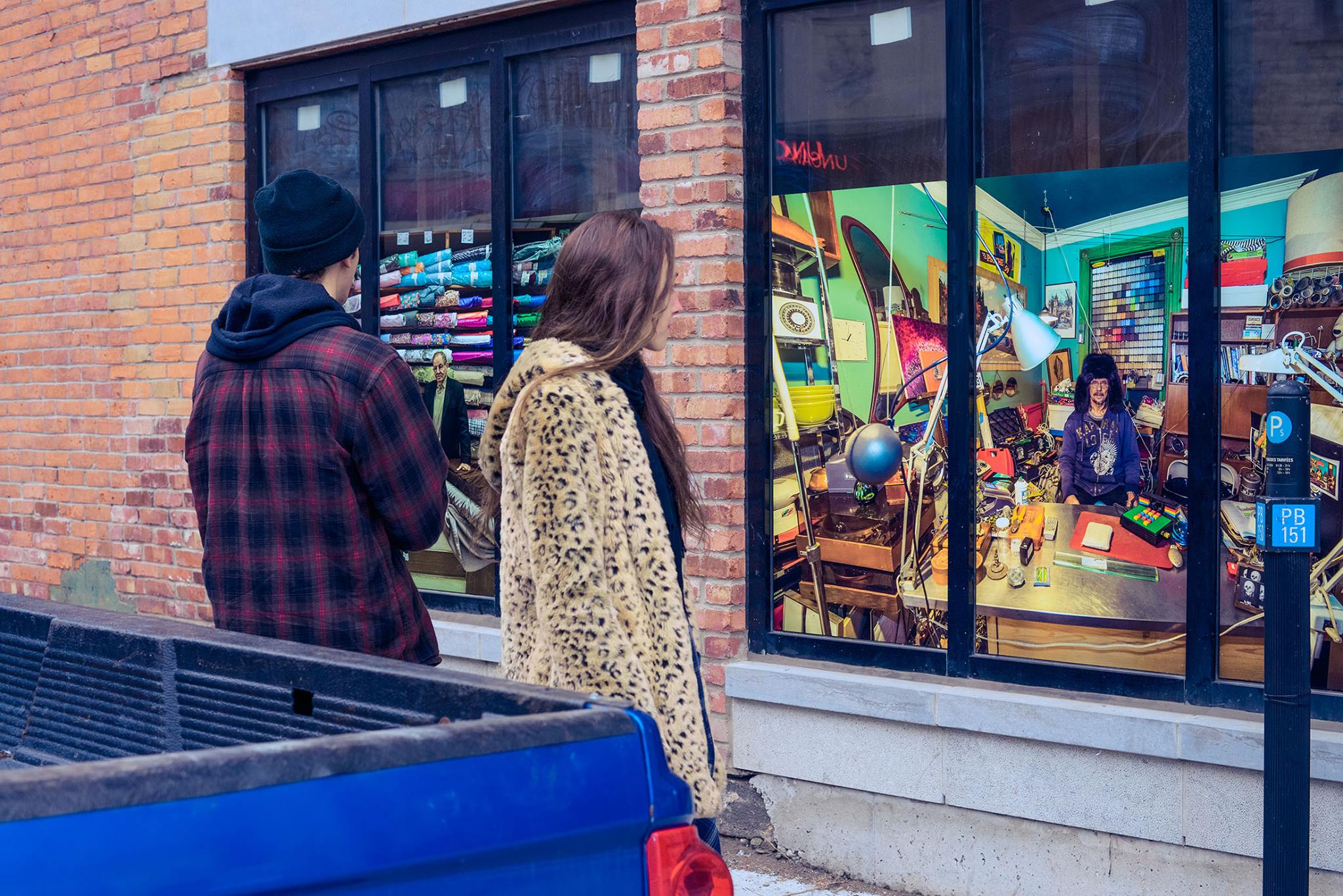
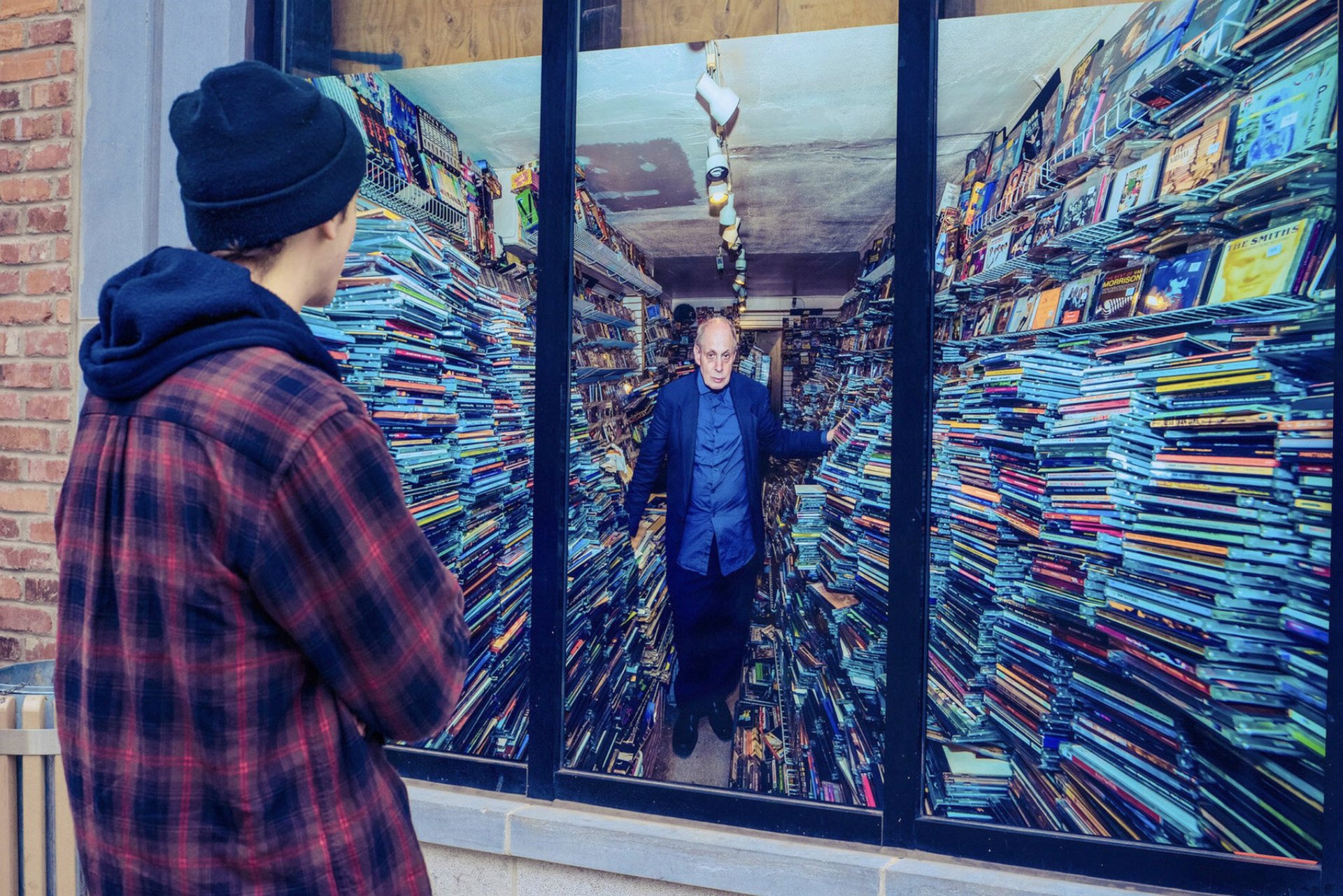
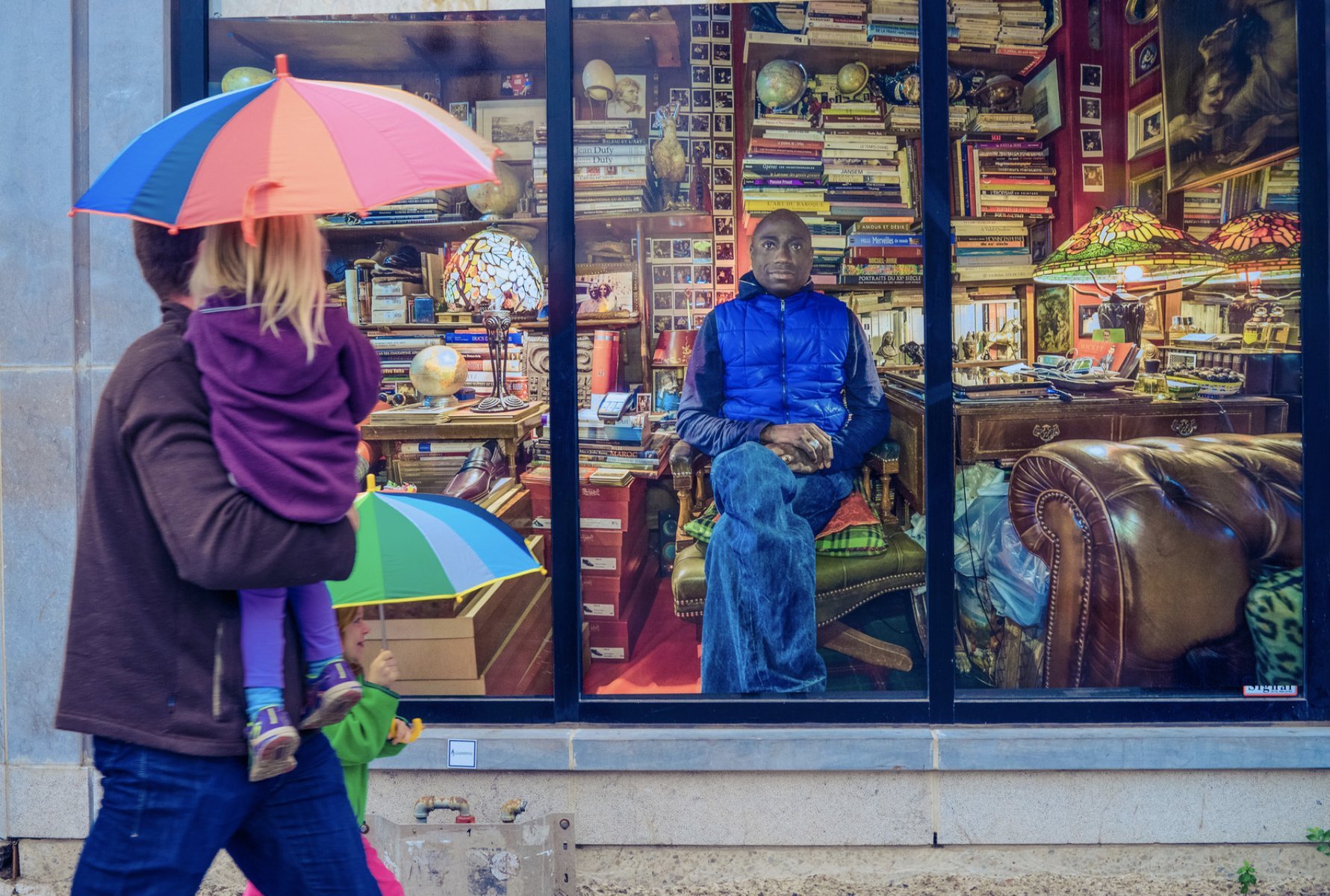
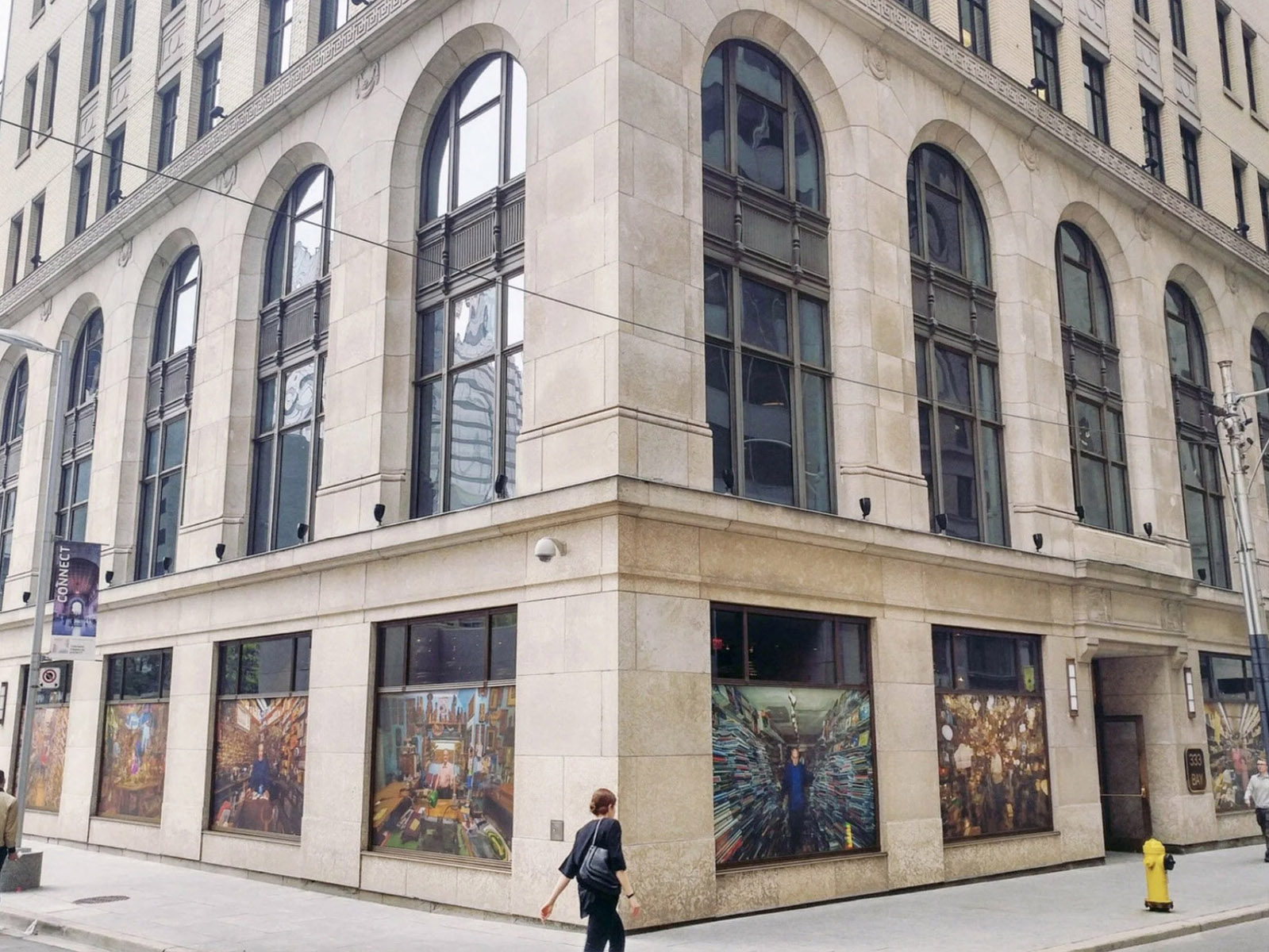
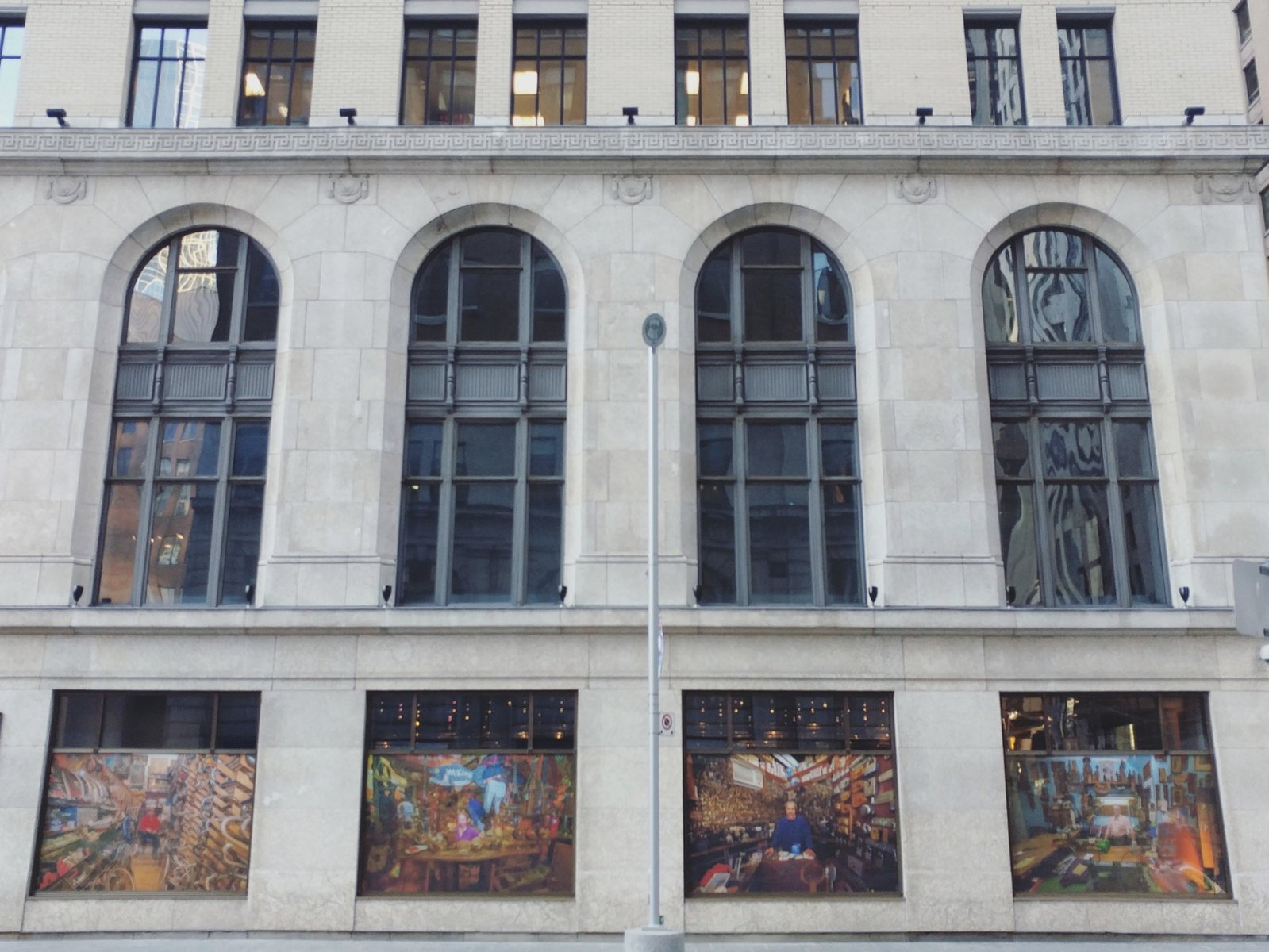
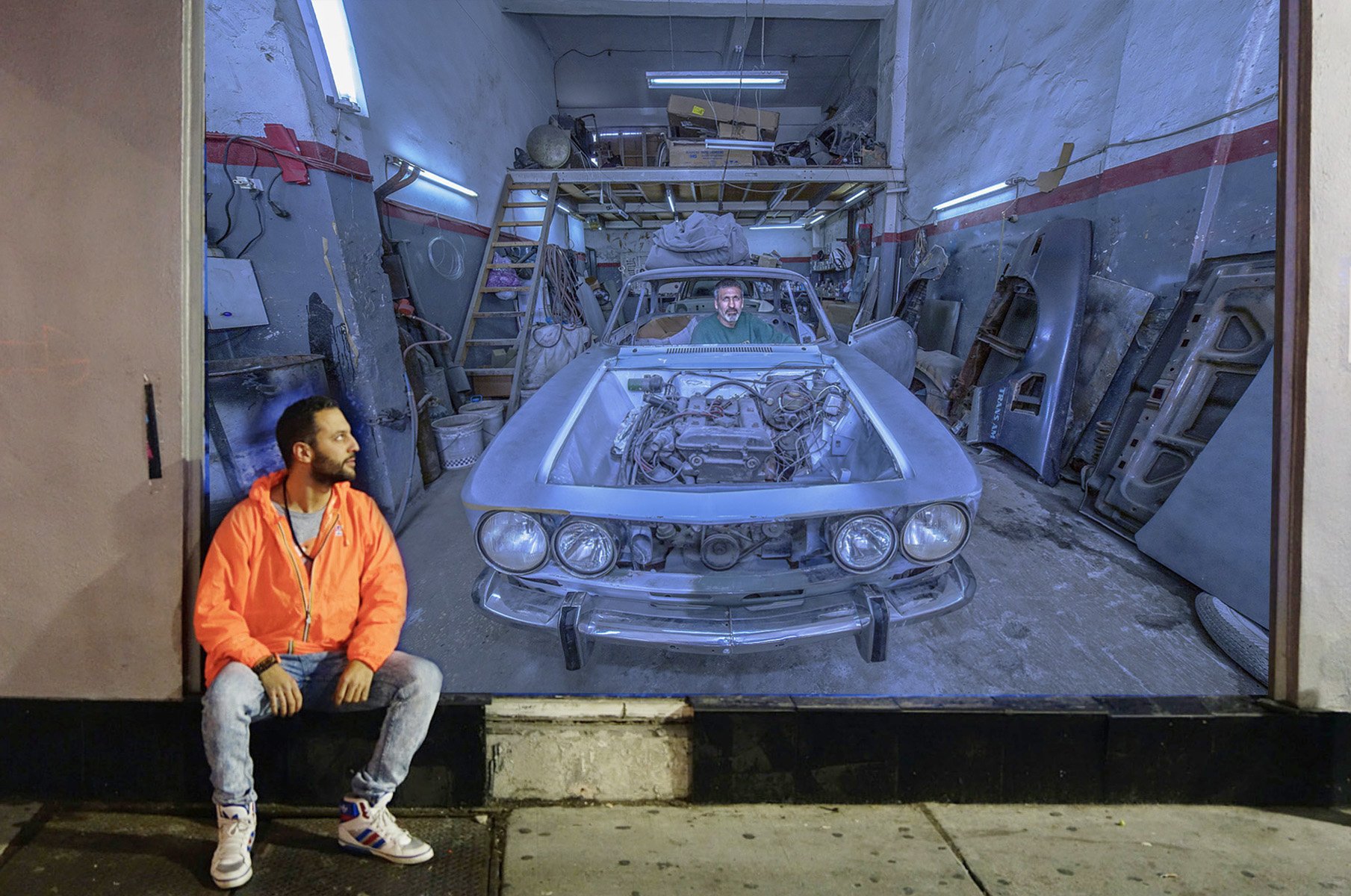
The Guardians is a deeply personal series, born of my need to make visible those we often no longer see.
For several years now, I have been meeting craftspeople and shopkeepers whom I consider the true guardians of our cities. Their shops are not mere places to pass through: they are inhabited spaces, full of gestures, stories and silences accumulated over time. "Urban temples", discreet but essential, which carry within them fragments of collective memory.
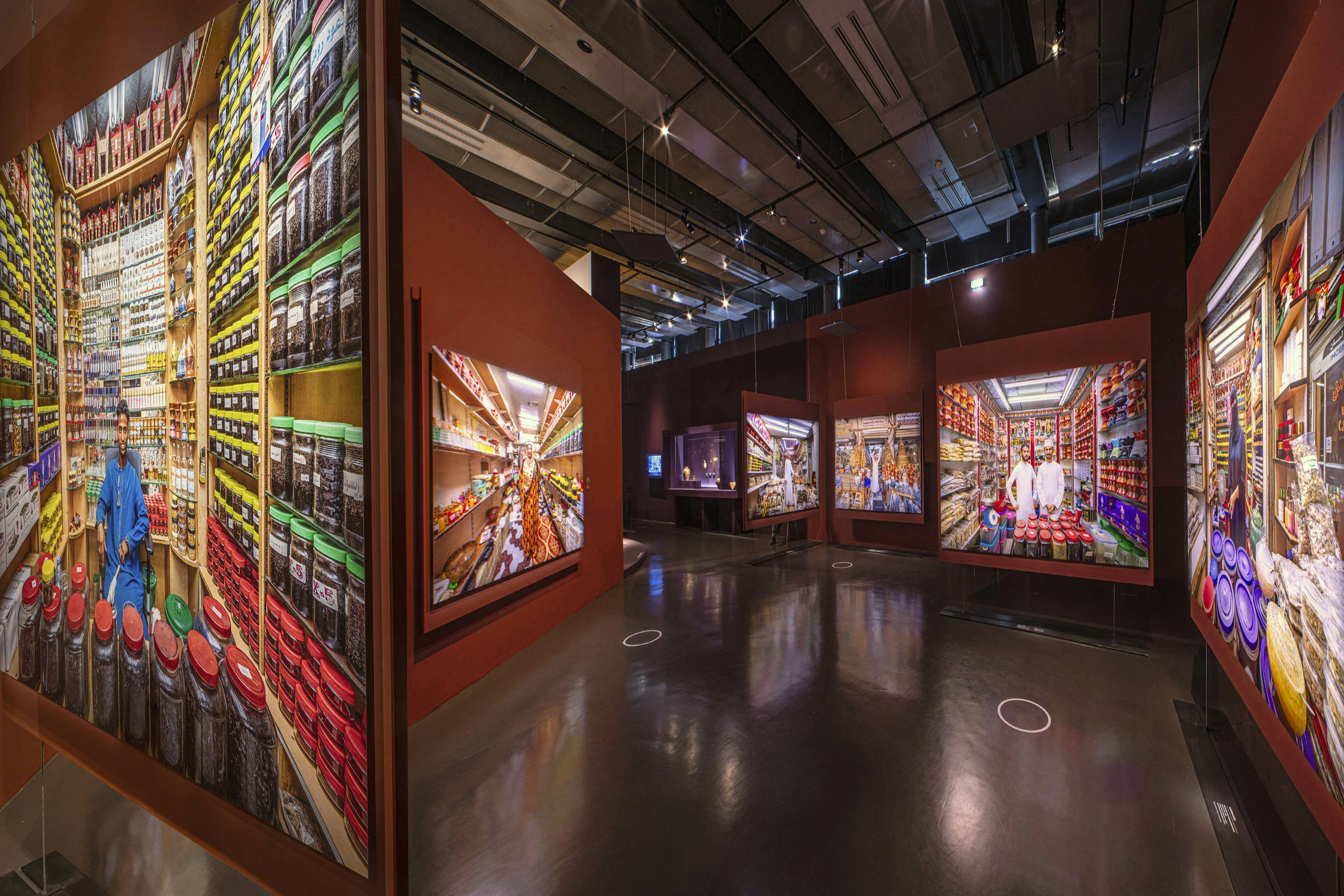
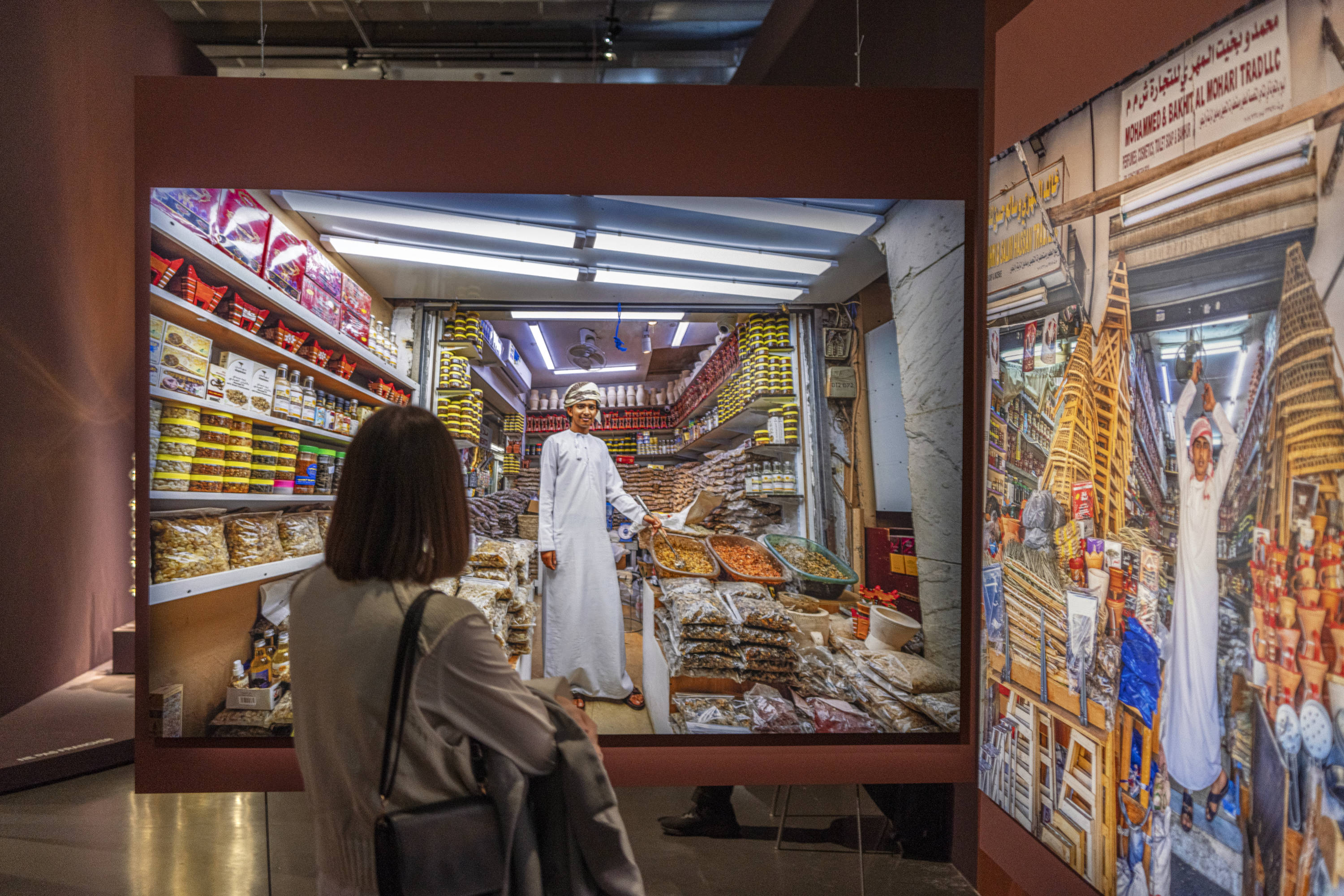
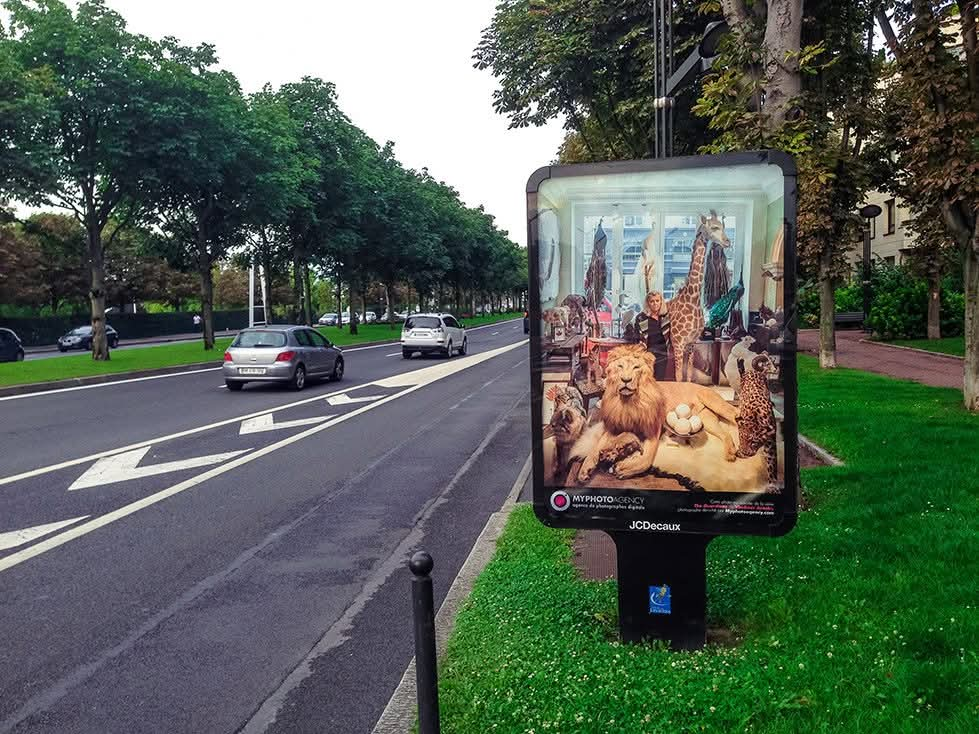
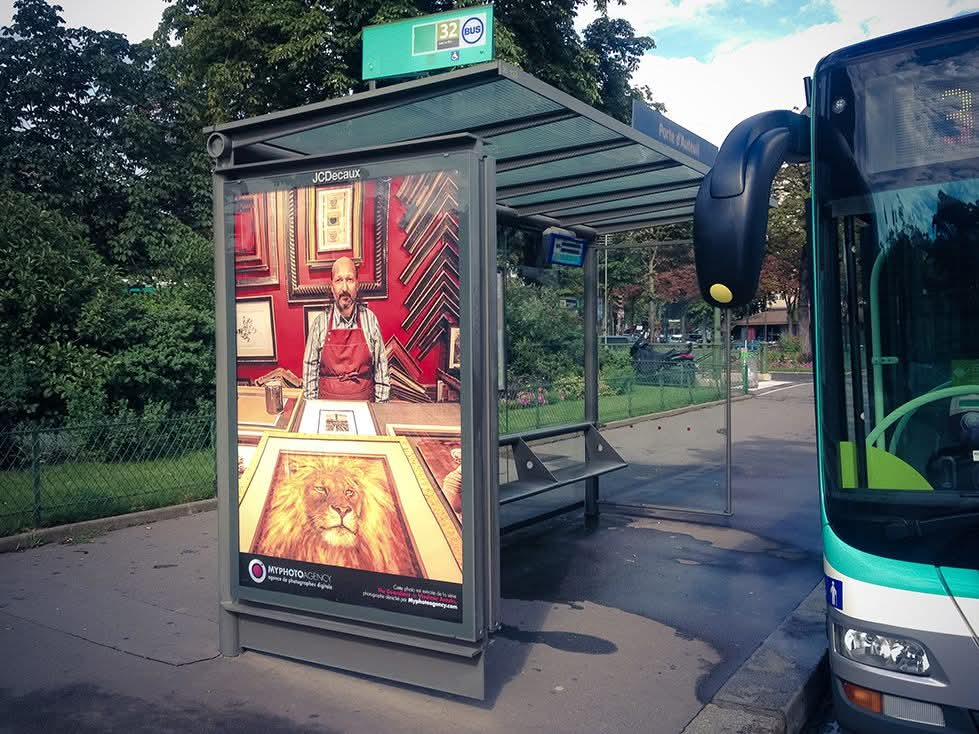
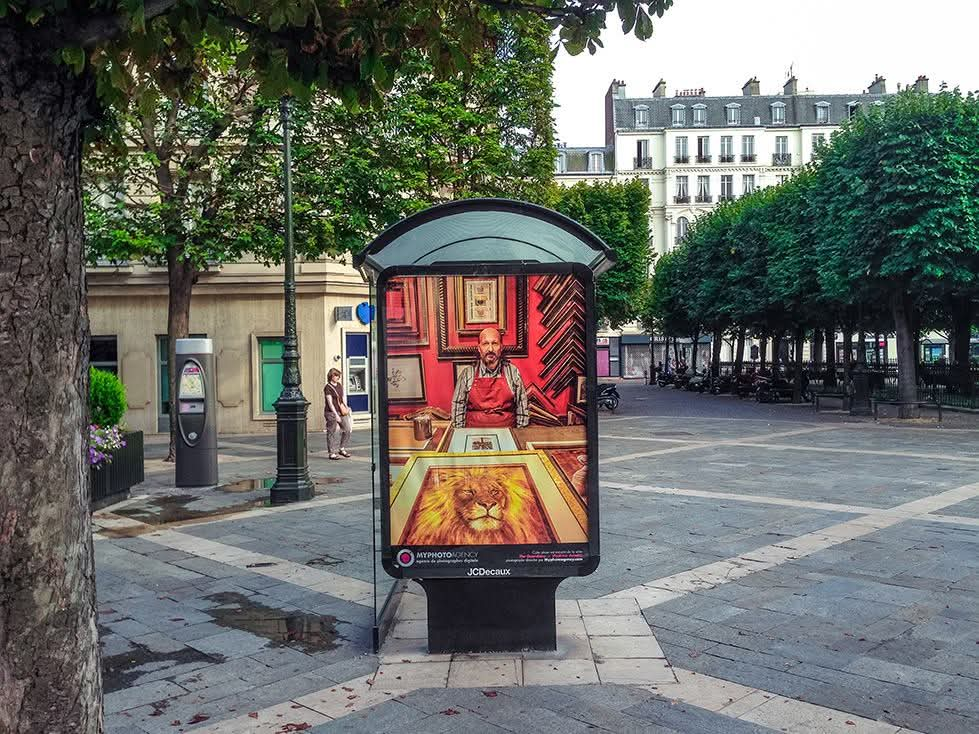
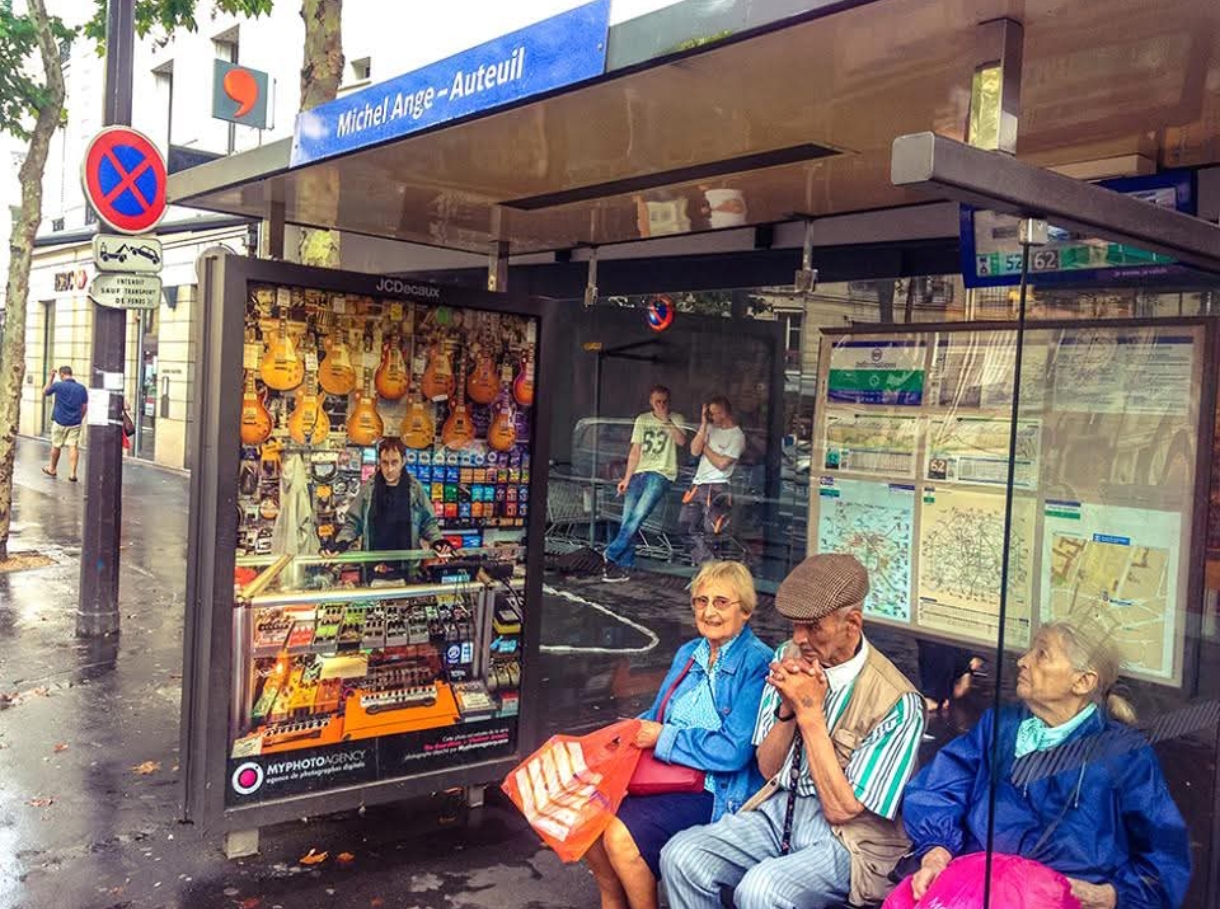
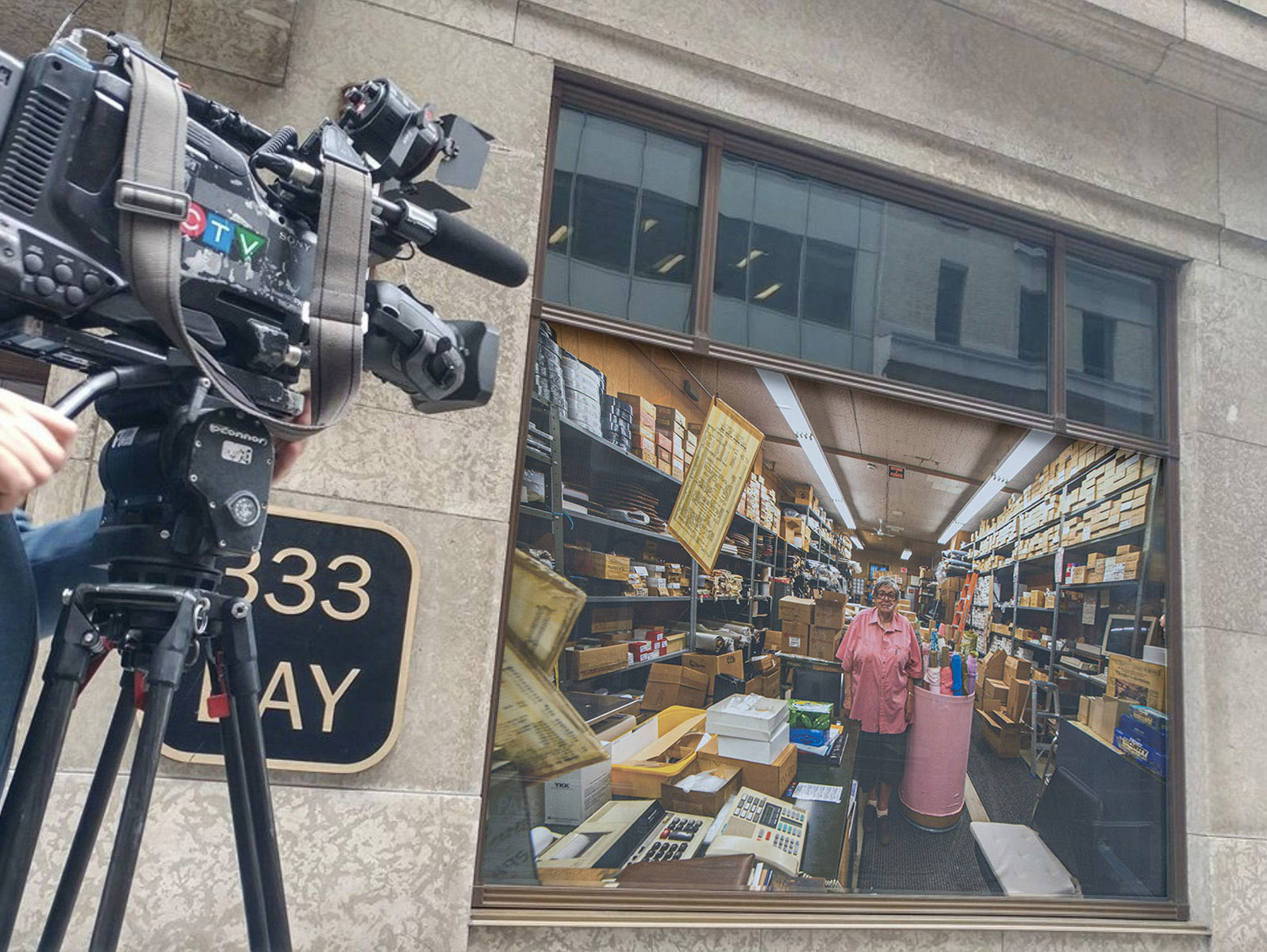
The way I show these images is an integral part of the project. I print them large, at human scale, so that the encounter can take place, so that the gaze cannot escape. I then install these portraits in the windows of closed shops, directly on the street. These places, once alive, become exhibition spaces. A presence emerges in absence: a disquieting illusion in which the guardians seem still there, in their place.
I like to think that, for a moment, these spaces breathe again. That they find a voice once more. And that those who walk past take the time to look, to remember, or simply to feel.

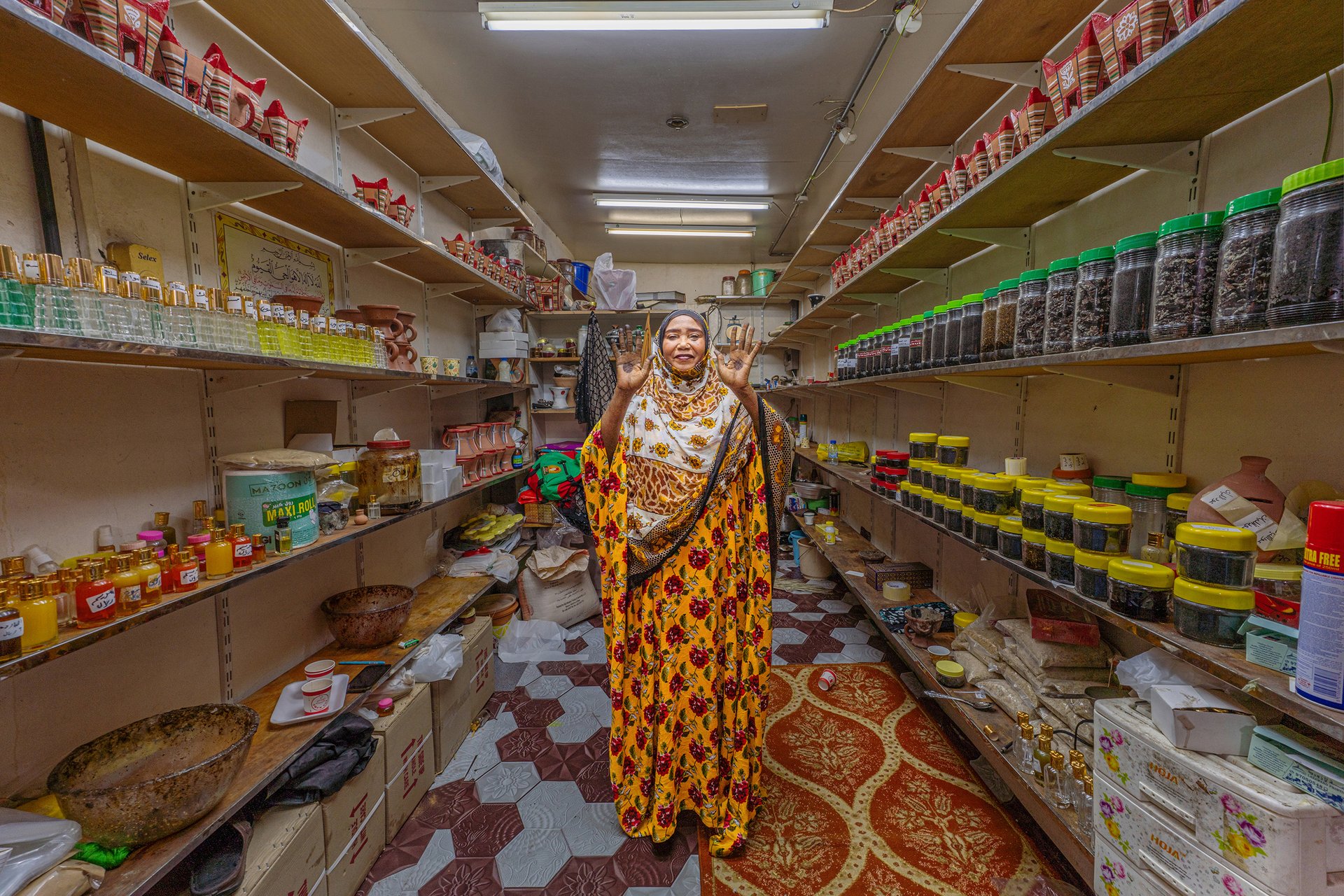


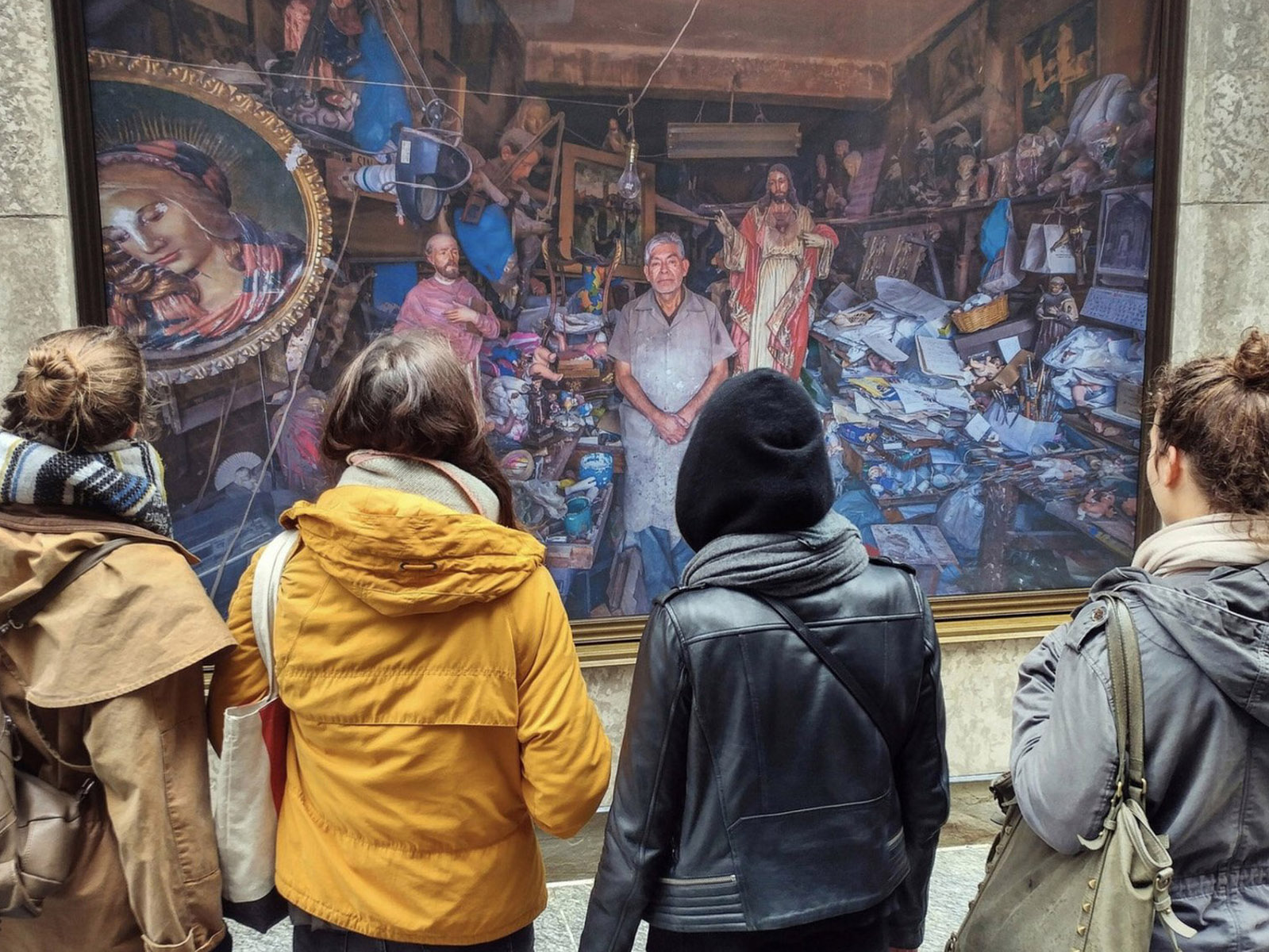
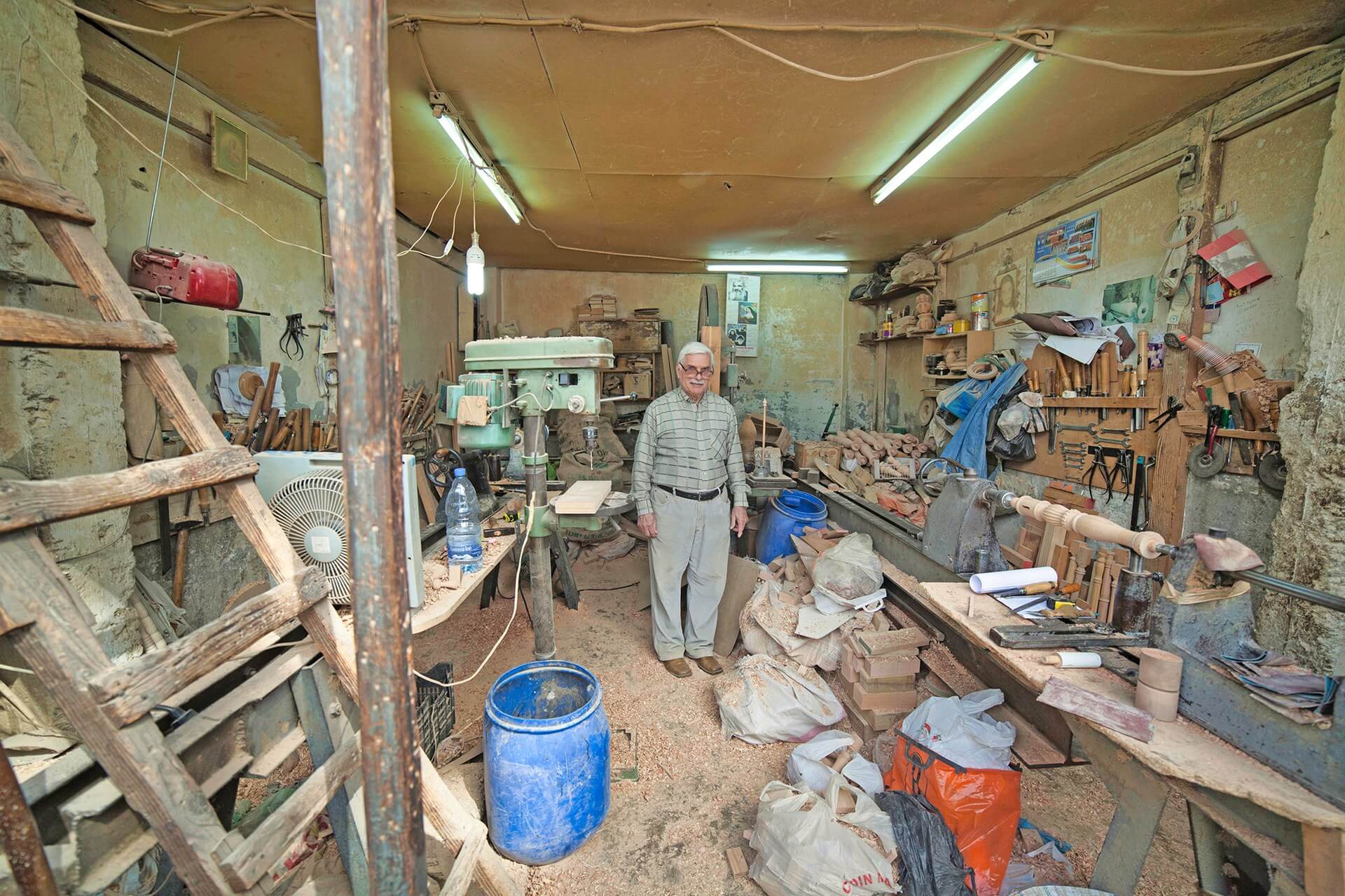
My name is Mario Antonio Hernández Escamilla; people call me Don Mario. I'm a seventy-two-year-old sculptor: I restore and create Catholic art. I started when I was fourteen. My workshop has been at this location since 1944.
My father studied at the Academy of San Carlos; he taught me everything: anatomy, drawing, sculpture, carving. My great-great-grandfather Margarito Hernández was the first sculptor in our family. Two hundred and four years later, I am the twelfth sculptor of this dynasty and unfortunately the last one.
The Church was one of my most important clients, but it doesn't send me business anymore. It's more interested in politics. It has abandoned its parishioners. Everything is made in China nowadays. It's cheaper.
I work every day to survive. My biggest wish was to train an apprentice, but unfortunately, no one is interested. If people don't care, why should I? I may sound selfish, but that's the sad truth. In a way, this is going to be my revenge. I am going to take all of this knowledge to my grave.


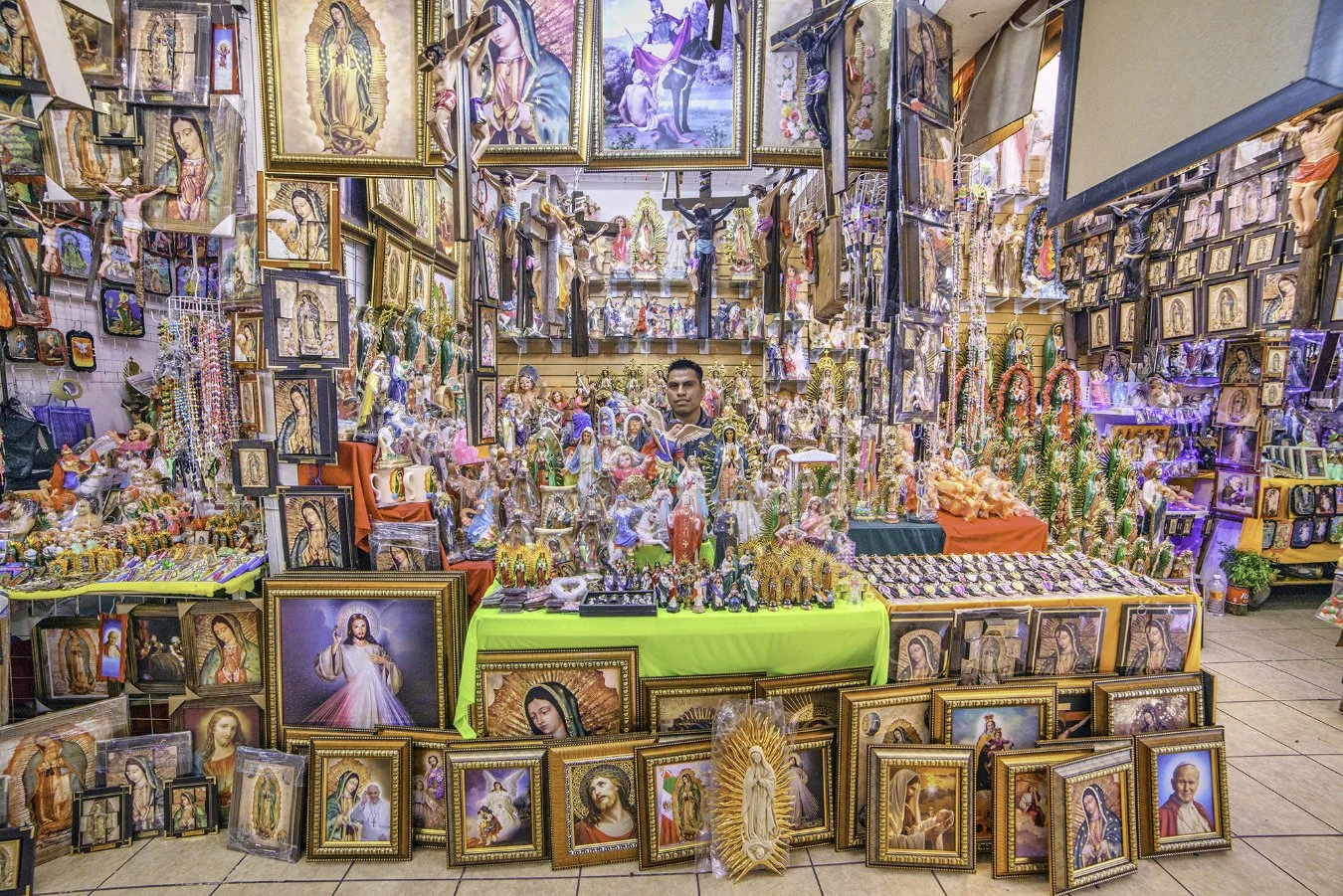

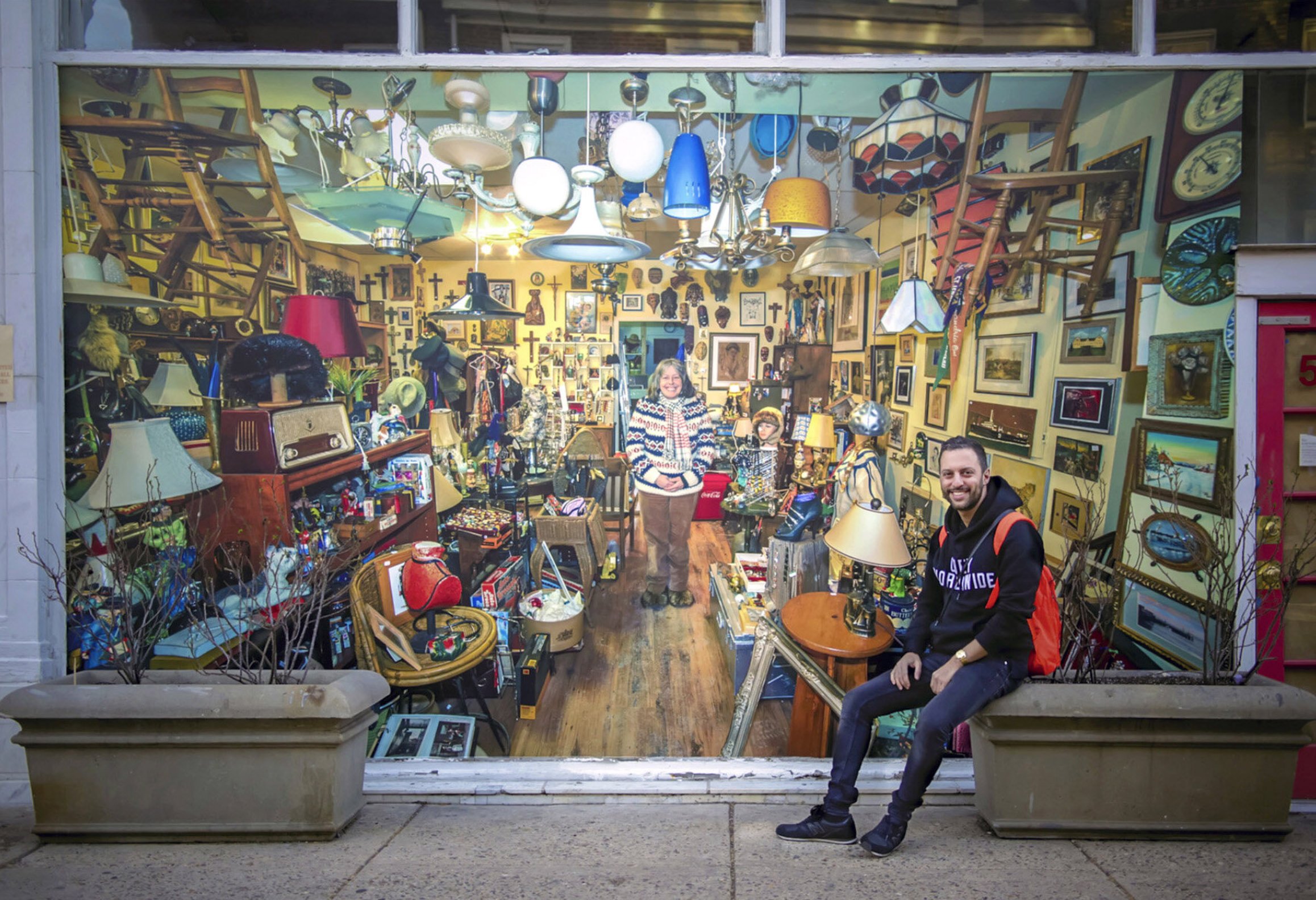
My name is Anastacia "Stacy" Fahnestock, I'm fifty-eight years old. I've been selling antiques for thirty-one years. I'm married to Scott Evans, he runs the shop with me in Philadelphia. We started very modestly in the early 80s after getting art degrees. I was a waitress and Scott was a carpenter.
I needed to have my wisdom teeth removed; not having the means to pay for the procedure, Scott and I used our talents as treasure hunters to find interesting objects and set up a small antiques stand. We managed to sell five hundred dollars worth in one weekend and that's how we decided to use this gift of knowing what people would like to make it a business.
Twice a month, on Saturdays, we organized a street sale that grew with the weeks and forced us to make our business a bit more official. In 1985, a flea market had been set up in an old synagogue, and we decided to rent a space there for two hundred dollars a month. It was in 1996 that we moved to this larger location. The neighborhood was rough, there were rats everywhere, but that didn't stop us from buying the building. We renovated it completely and rented one of the apartments to a family looking for a place to live.
The energies are very present here. At this exact spot are quite a few trinkets that belonged to a person who died quite violently: he died of a pulmonary aneurysm by choking. It was sitting on the toilet that he breathed his last breath. Since he lived on the second floor, the neighbors below had noticed a huge stain on the ceiling overrun by flies. His body had liquefied due to the advanced state of decomposition. There was blood everywhere when we entered the apartment to retrieve the objects that reeked of death. We bought some of them back and brought them to the garage to disinfect them and make sure they were very clean before putting them up for sale the following week.
This person had very specific tastes and collected a certain type of objects, so the complete collection was very coherent and I had chosen to present it in a display case. One day, a lady entered the shop by chance. She was going to a job interview for a massage therapist position further down the street and exclaimed: "I love your shop, can I take a quick tour?". When she was done, she asked me if I knew the origin of each of the objects. I told her it depended on the cases, because sometimes the sale was not made directly with the owners, but with the lawyers responsible for the estate succession. One section of the shop had troubled her, she felt that the owner had been the victim of a violent death and pointed to the section where the famous display case was located. I get goosebumps just thinking about it. I told her the story I just told you, she thanked me and left. I never saw her again.
It's the love of objects that drives us to do our job. We have so much fun finding them, discovering their history and making them available to our customers. These objects are true time capsules. I've sold some and regretted it, because I'll never see them again. So now I avoid highlighting the objects for which I have sentimental attachment. For me, these dolls are the heart of the shop, I think the day I sell them I'll have no choice but to close it. But hey, they're very expensive so I'm not too worried. [laughs]. They've been here for twenty years, I don't think I'll be able to part with them.
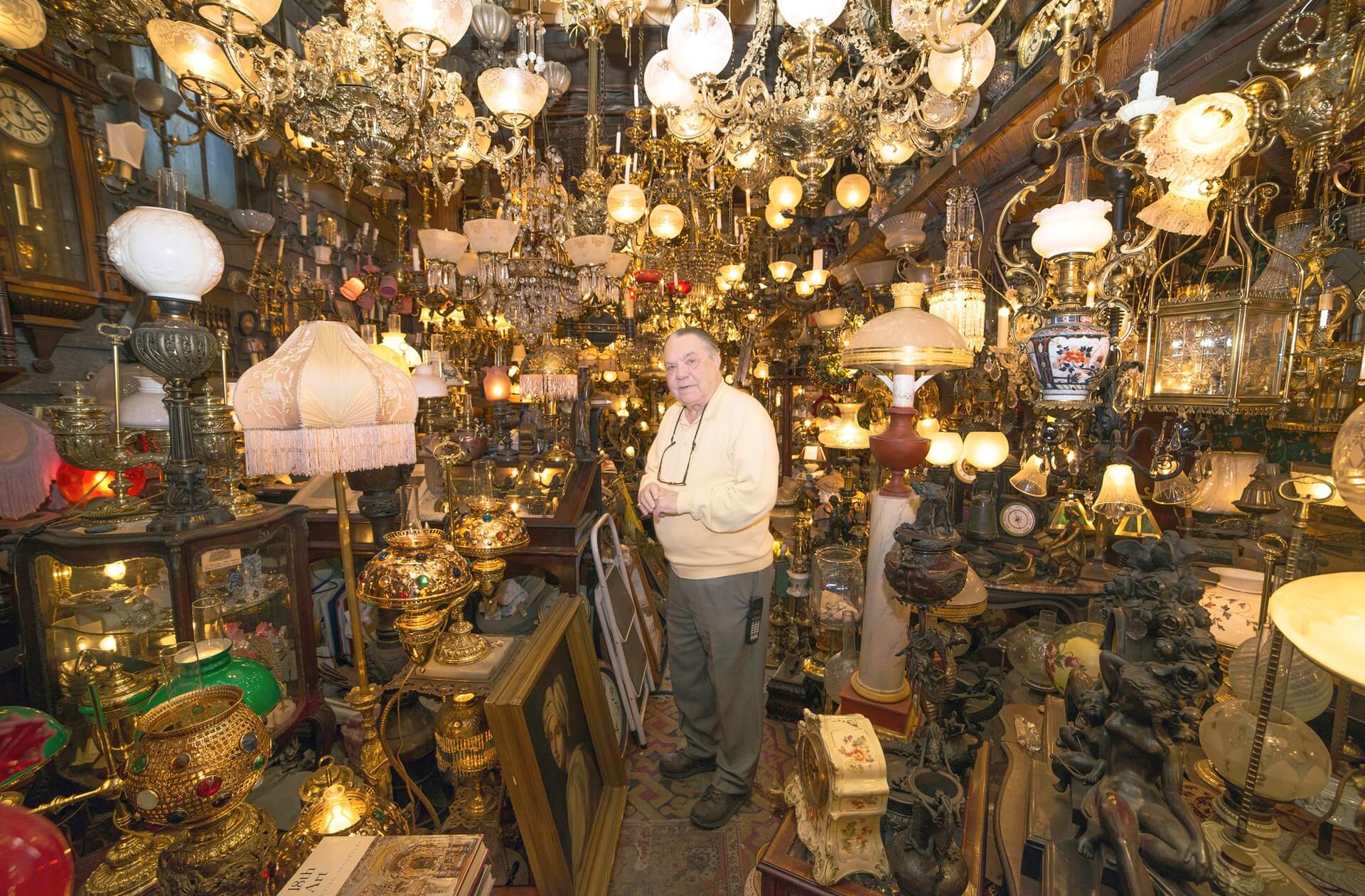
My name is Charles Neri, I'm eighty-one years old and I've been running this shop in Philadelphia for forty years. I hope it will still be here in forty years even after I'm gone. I dream that my daughter Cindy will take over when I'm gone.
I've always loved antiques, and surrounding myself with beautiful objects while listening to good music. That's what keeps me alive.
I started here in 1976 after spending twenty-five years working elsewhere. One day, I got fed up and having no real education and not knowing what else to do, my love for antiques pushed me to buy this building and open this store. I shared my days between my old job in the morning, and the shop in the afternoon. After four or five years, I realized I could live doing just this and I dropped my other job.
I've been coming here for forty years, and every morning, like the first day, I'm still just as excited to open my shop.
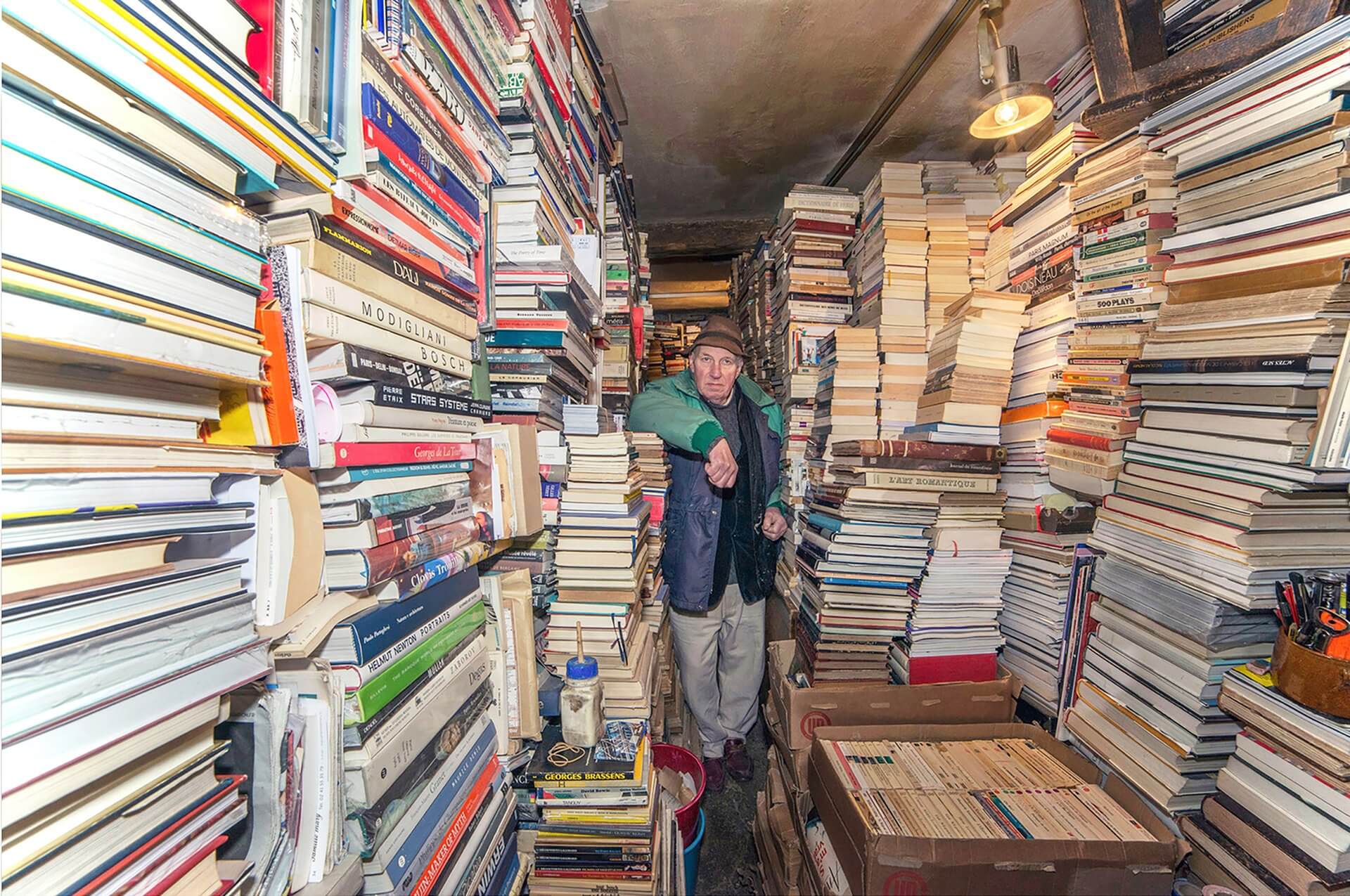

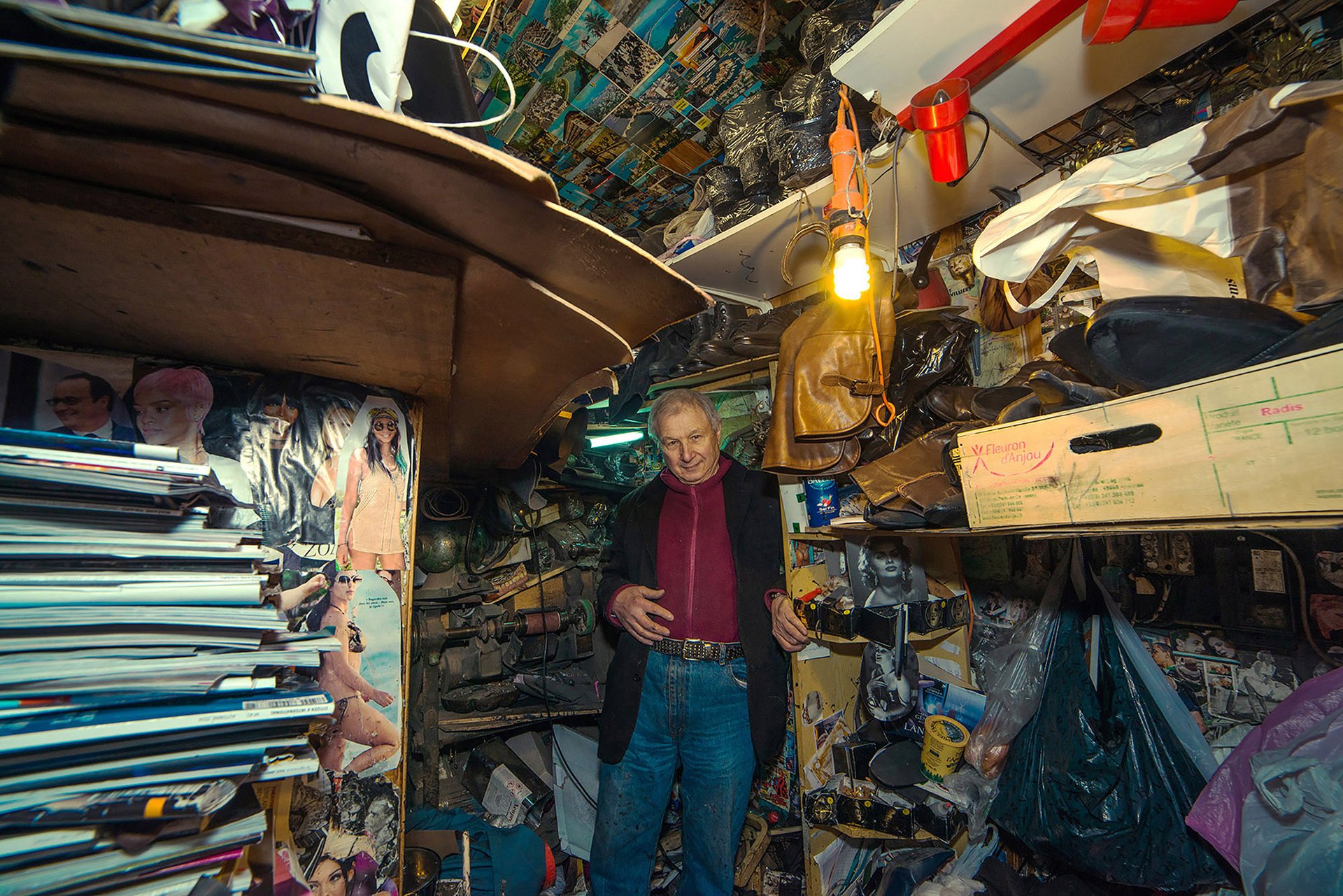
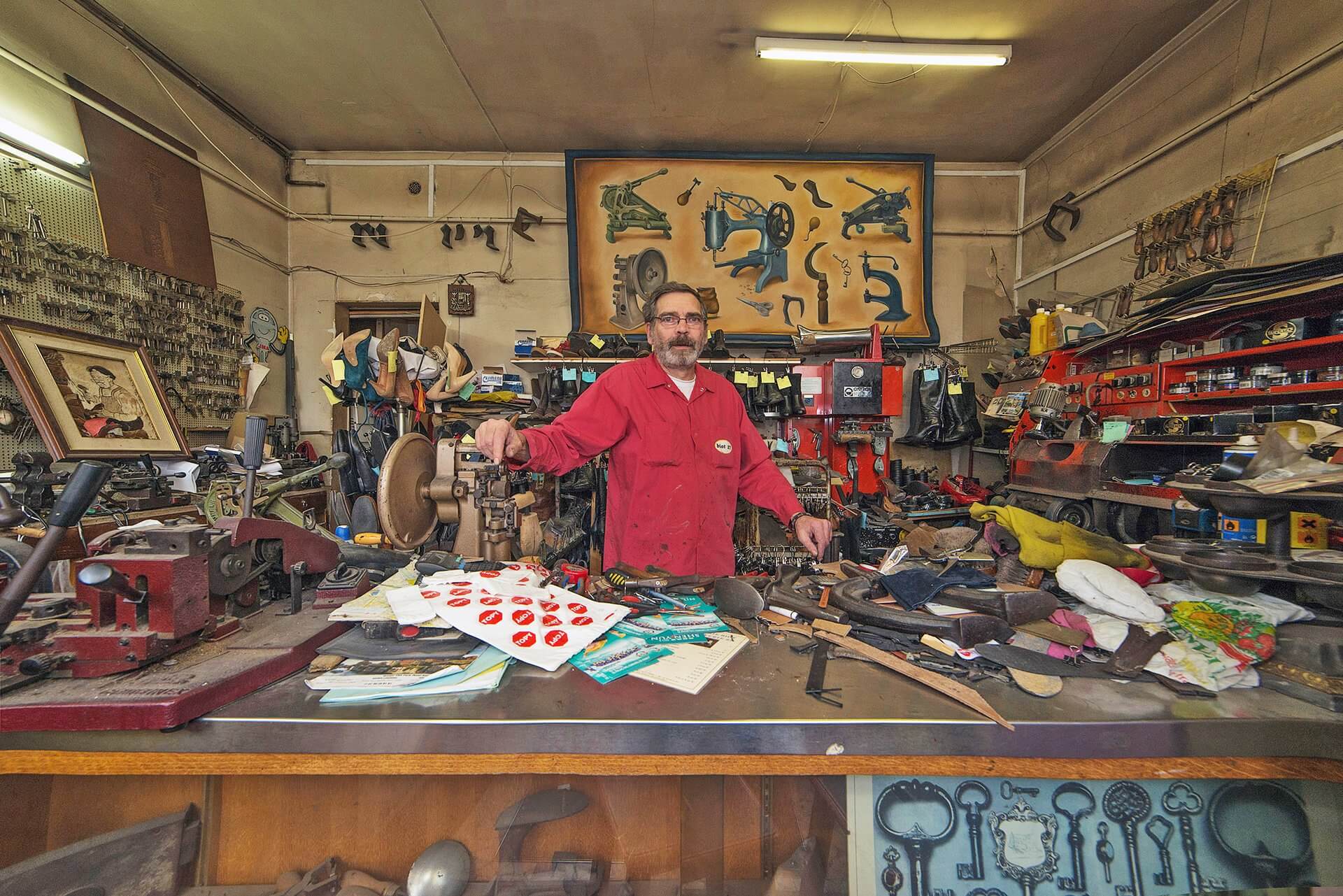
My name is Vincent Pirimian, I am seventy-eight years old. I am a Catholic Armenian from Lebanon, and I am married to a French woman. We had lived in Gemmayzeh, a neighbourhood of Beirut, for fourteen years when the war broke out. Every day I found my wife in tears. She was frightened and feared for our lives. On the advice of my mother, who could not bear to see her daughter-in-law unhappy, we left Lebanon for France in 1980.
In Lebanon I was a boss; I had thirteen employees, and we made leather sandals. Here I am a half-boss, in my two-square-metre shop under the arcade of the former Manège Duphot. I repair everything: bags, heels, soles, suitcases. People often ask me what all these images stuck from the floor to the ceiling of my shop mean. Most of them are postcards I have received from all over, and pictures I have cut out of magazines.
I love telling jokes and asking riddles. In fact, I sometimes give a discount to people who guess the answers.
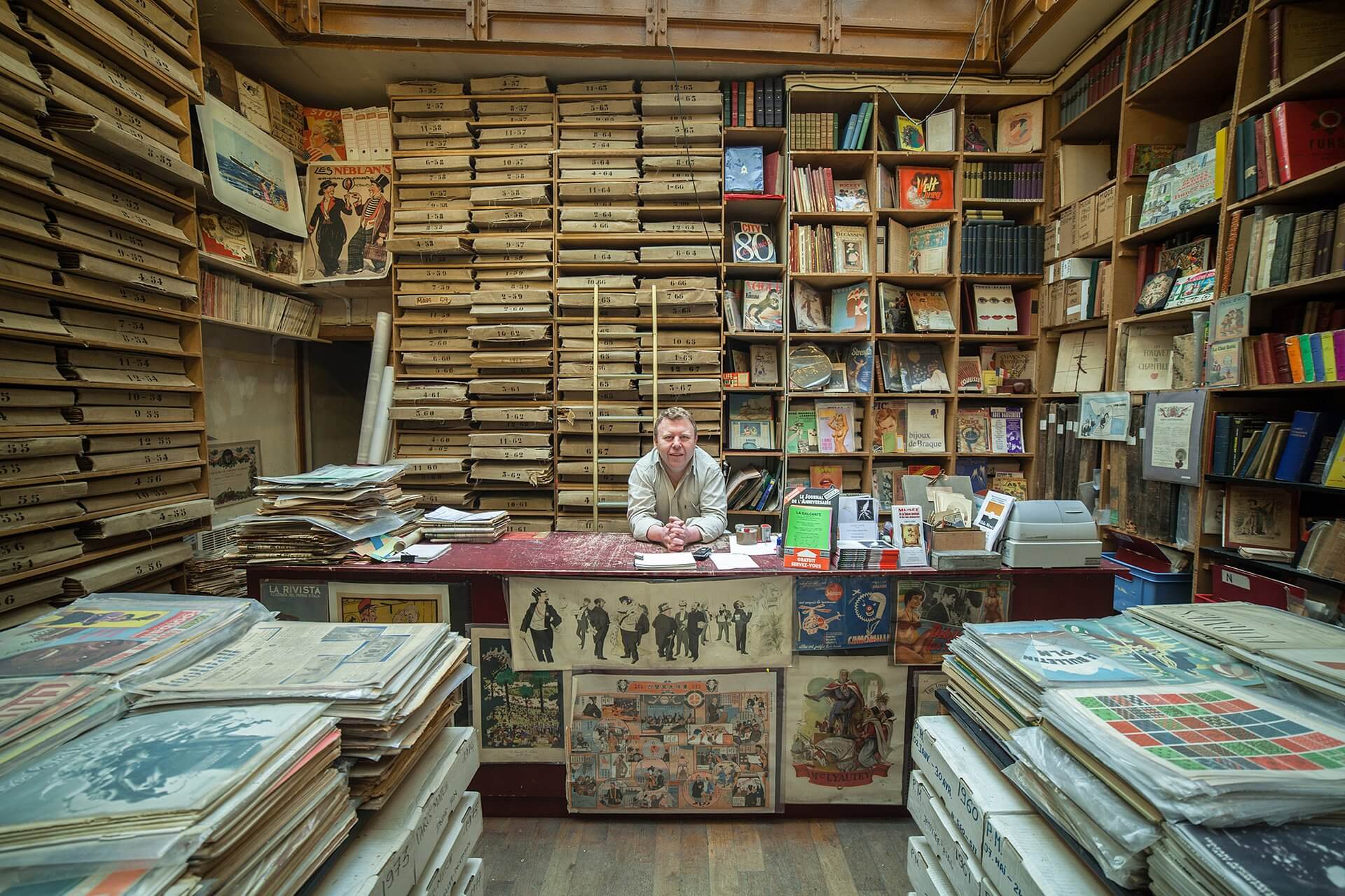

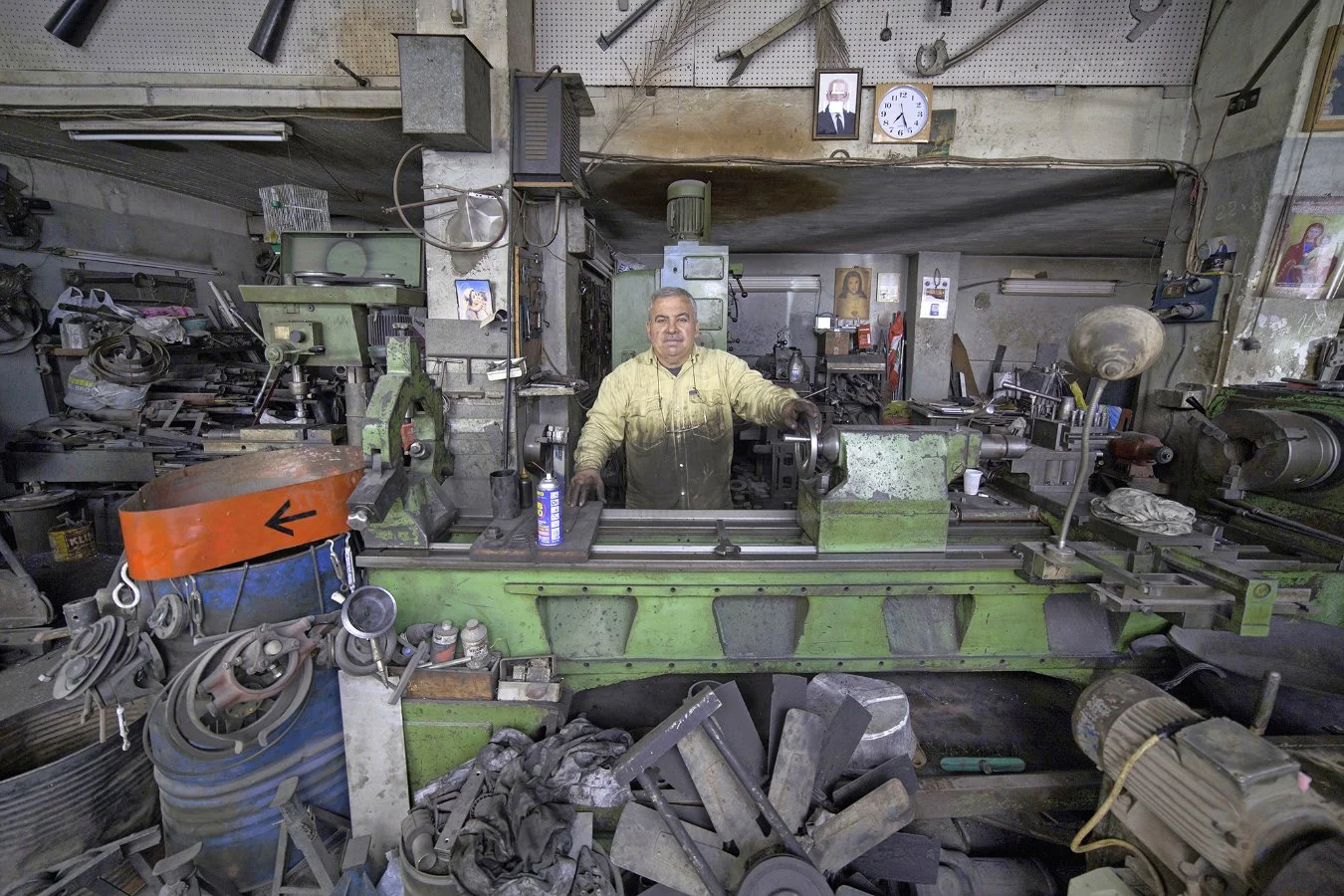
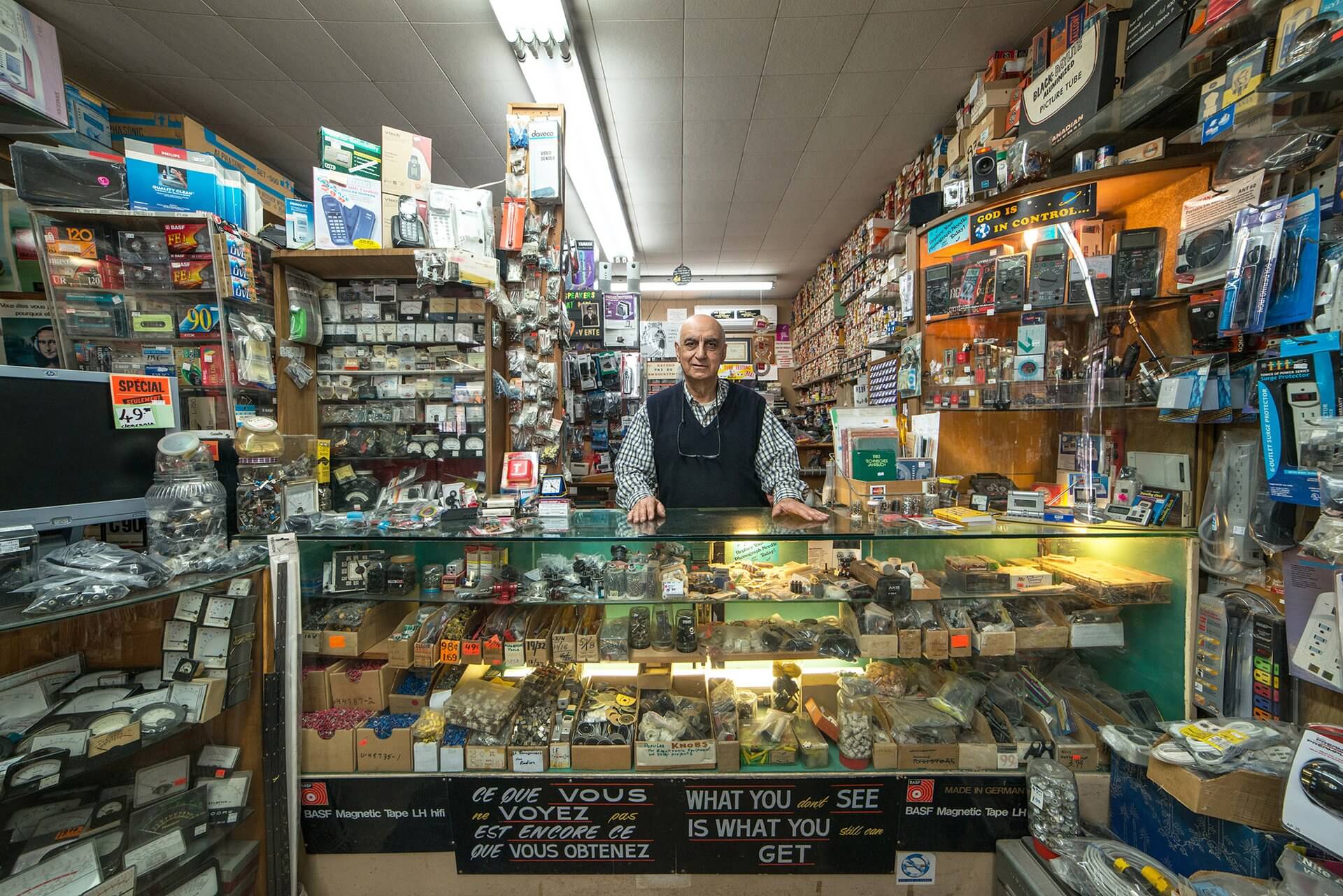
Hello, my name is Joseph Hovsepian. I left Greece in 1960, after serving in the Royal Hellenic Air Force. On arriving here, I first worked for a few years for Canadair, before opening Radio Hovsep almost fifty-three years ago. At the same time, I volunteer as a pastor at the Baptist Church in Outremont. I take enormous pleasure in these two activities.
The shop has become a sort of antiques store. People come from all over the city, and even from other provinces, to take photos there. Film productions have even rented my shop and the objects in it to appear in their films.
There are quite a few valuable things in my shop, for example receiving tubes that cannot be found anywhere else. I sell many of them to foreign customers. I also have spare parts, accessories and old radios dating back to the 1920s and 30s.
Customers bring me radios that belonged to their great-grandparents so that I can repair them. The problem today is that very few people recognise these old radios, and they think they are toasters. They do not realise that the radios of the time had lights inside and got warm, so they are surprised when I tell them I know how to restore them.
I have been repairing radios for nearly fifty-five years, and I take tremendous pleasure in it. Knowledge is acquired through experience. Experience cannot be bought; it is only gained through practice. When people ask me whether I plan to stop one day, I answer that I will stop when God decides to call me back to Him.
I am seventy-five years old and I still take the same pleasure in welcoming my clients and taking care of their repairs. I also help and advise people struggling with alcohol or drug dependency, through my work as a pastor.
I try to help them as best I can through field missions. I am on my fifth mission: we have built churches and provided medicine and other services. God has given me a life, and I want to make the most of it by helping the less fortunate. My shop allows me to live my life and help people live theirs fully. I hope to carry on for as long as possible.
Sometimes I repair old radios that are nearly a hundred years old, whose cables have been eaten by rodents trapped inside. My wife does not always understand why I do all this. But when my clients jump for joy as they come to collect their radios in perfect working order, that is when my work makes sense. Making people happy is my greatest satisfaction.
When I was fifteen or sixteen, my father said to me: "My son, we need to talk." I was excited, because I thought he was going to give me advice about girls and sex. In fact, he wanted to talk about my future: he told me he would support me financially, even taking a second job, if I decided to become a pastor, but that he would just pray for me if I decided to become an electronics engineer. I told him I accepted his prayers. Some thirty years later I realised I could do both, and that made him very happy. So I was ordained a pastor, and I began my volunteer work alongside my activity in the shop.
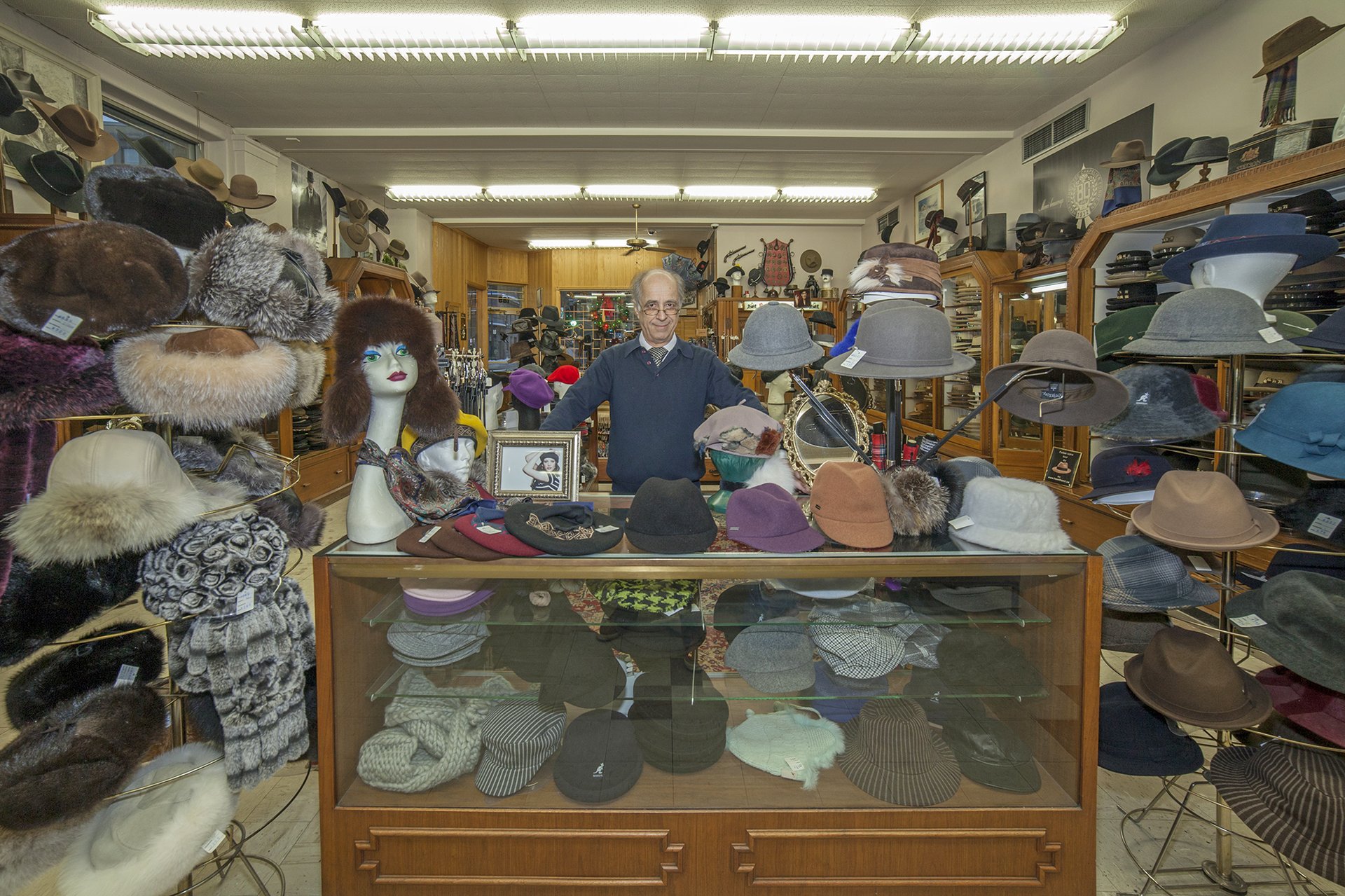
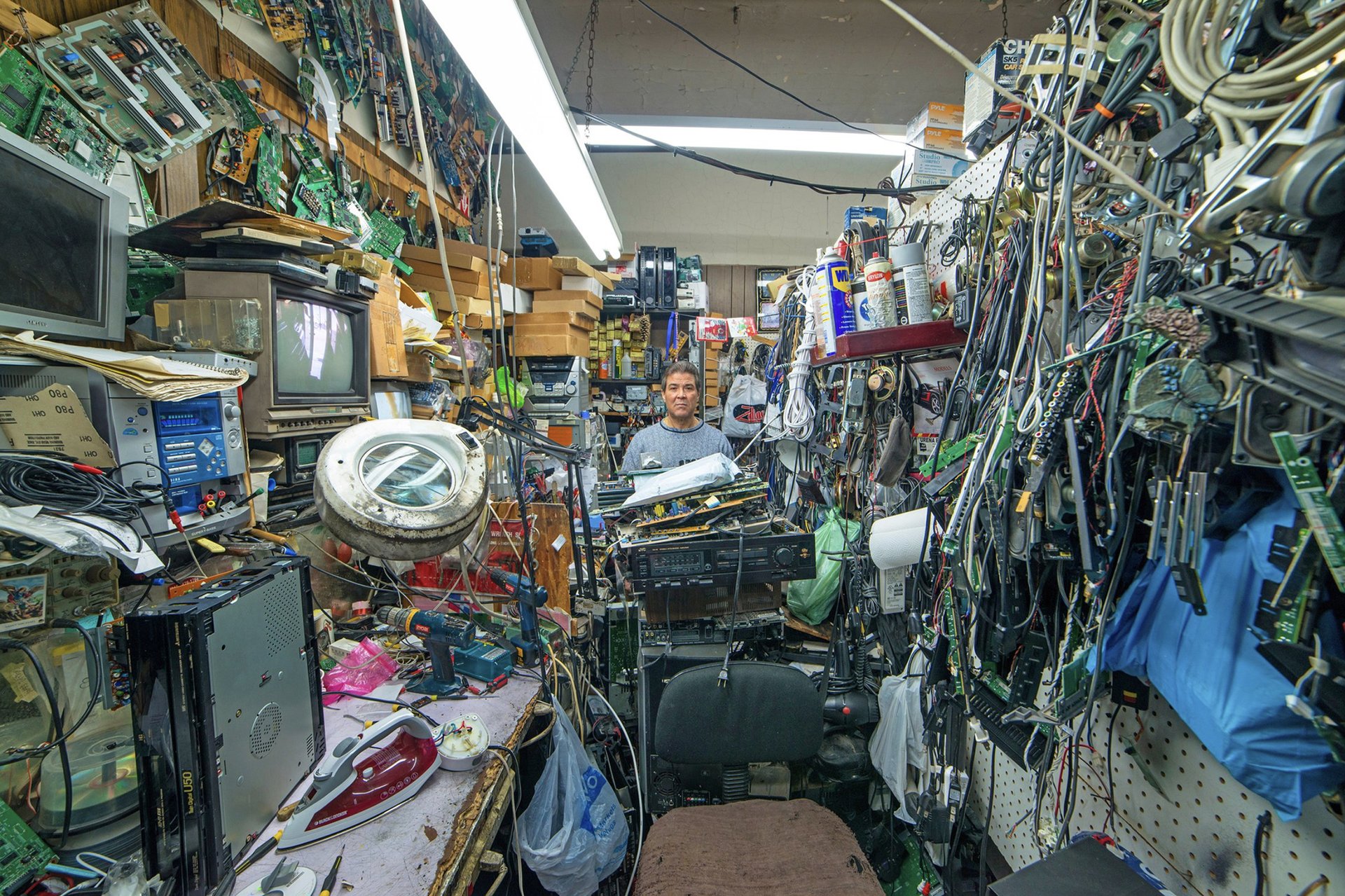
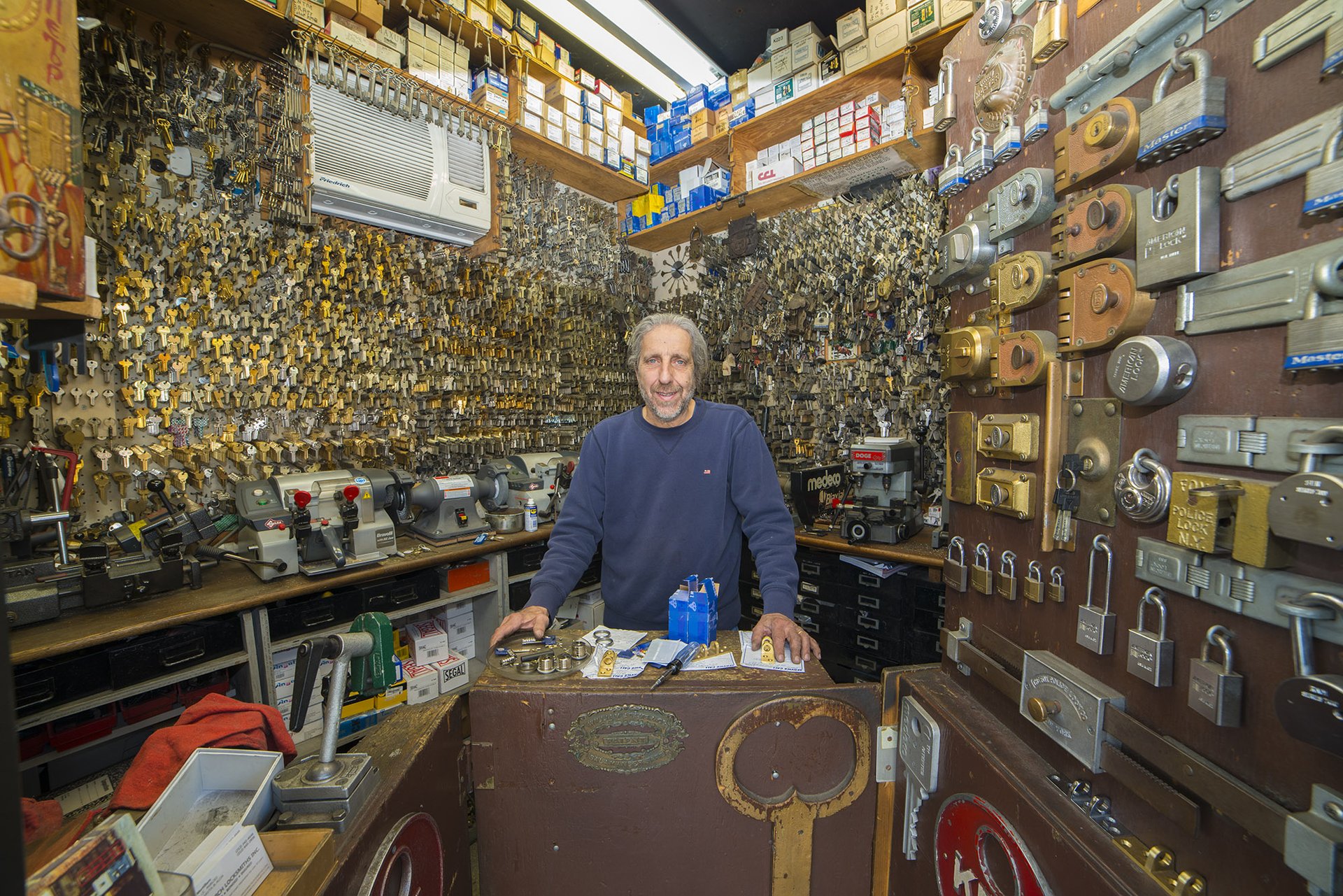
My name is Philip Mortillaro, I'm sixty-five years old and I've been a locksmith since 1964. I started as an apprentice at the age of fourteen.
I opened Greenwich Locksmiths in 1980, in April it will be thirty-six years. My shop is my life. My building has the smallest square footage in New York. I love my store and I think when you look at the building, you can feel it. I like to make metal sculptures, so I made sculptures based on keys for my shop: I made a chair with keys, a clock with keys, and lots of other stuff with keys. I charge four dollars per key. It's not cheap but it's still a good investment when you know a key can last more than twenty years. People pay for quality service, I'm a good locksmith.
There are so many metaphors around keys: the keys to success, the keys to happiness, and everyone is looking for their key.
Years ago, when I opened this store, there were many small shopkeepers across from me, my shop didn't stand out. Back then, when I went to a café, I knew the owner; now we go to Starbucks; when we want to go to a hardware store, we go to Home Depot; when we want to go to a bookstore, we go to Barnes & Noble, that's the sad reality; New York is not really New York anymore.
My son works with me. At first, I didn't think he would follow in my footsteps because he had gone to university, but he loves it. He's twenty-nine and very good with computers. He's going to handle electronic locks. I don't touch that. As long as I'm here, I'll do things the old-fashioned way.
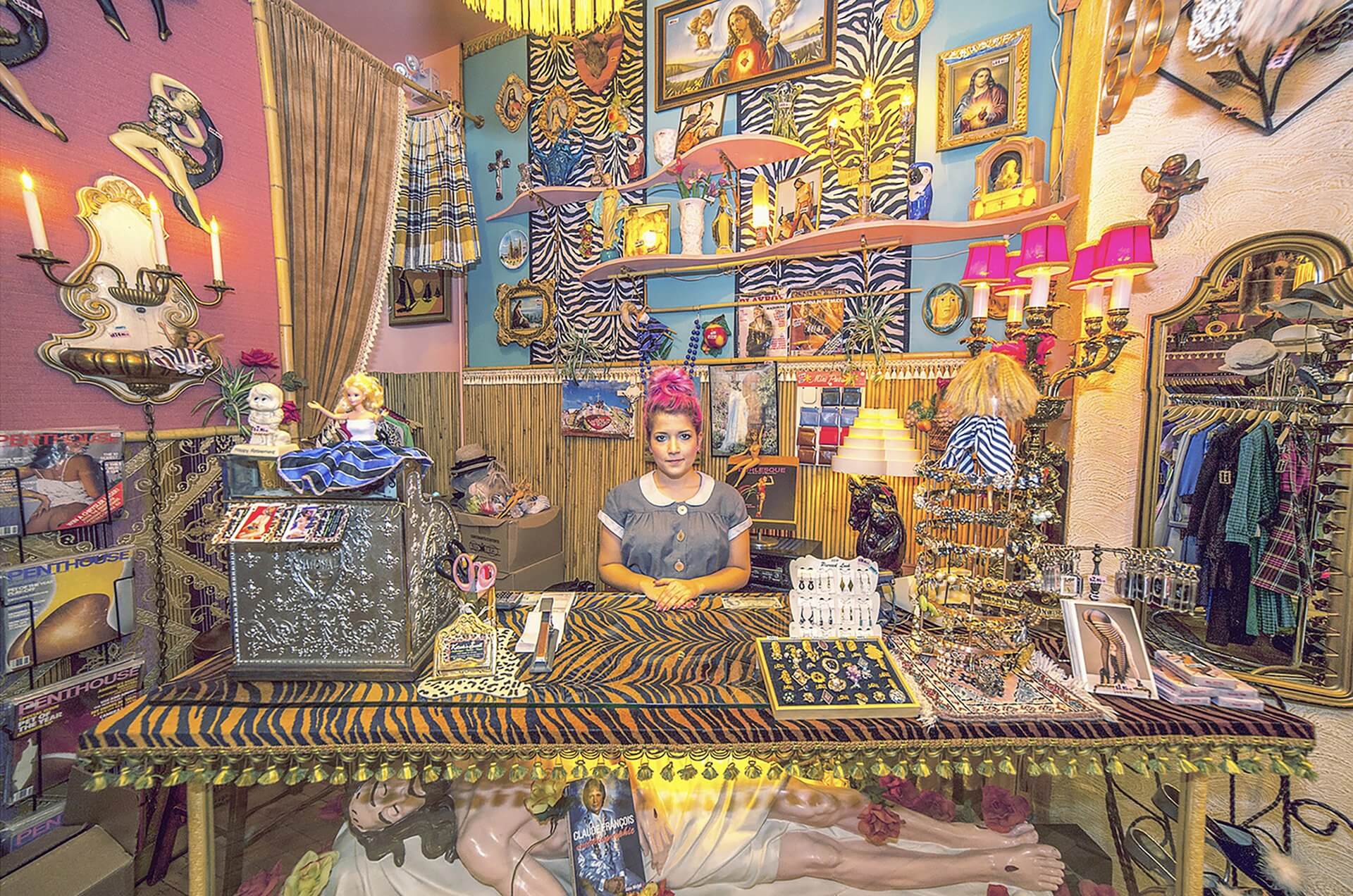
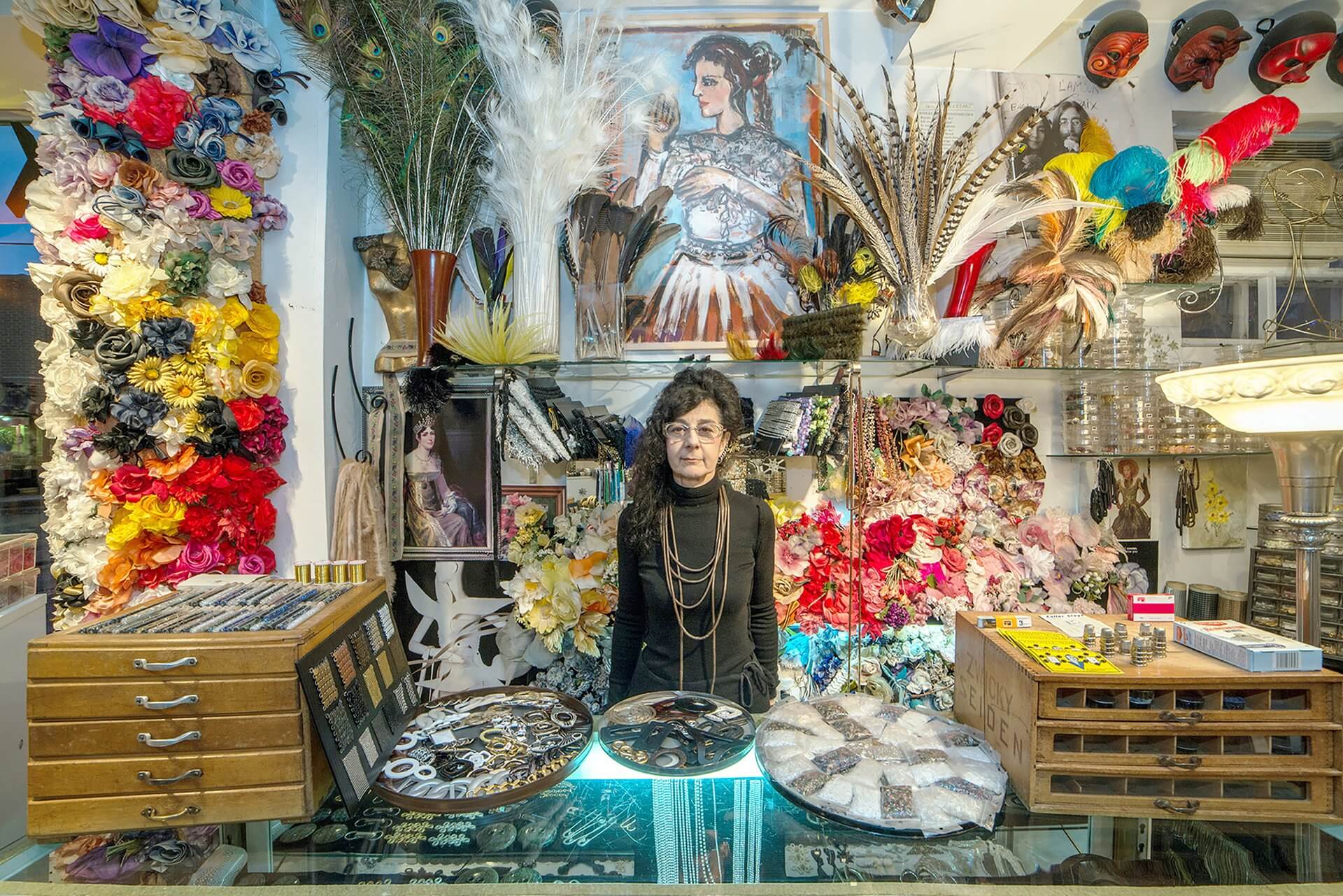
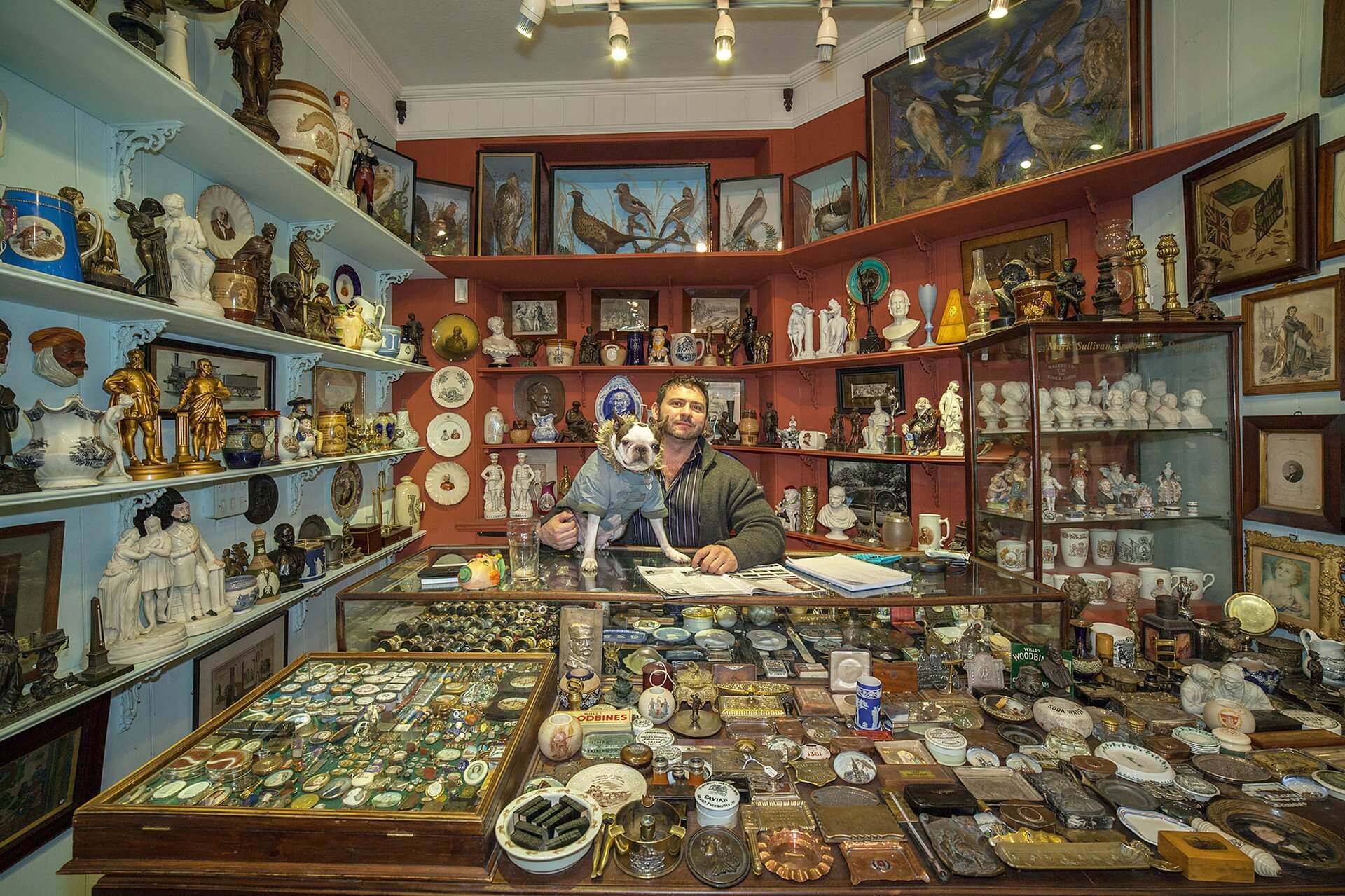
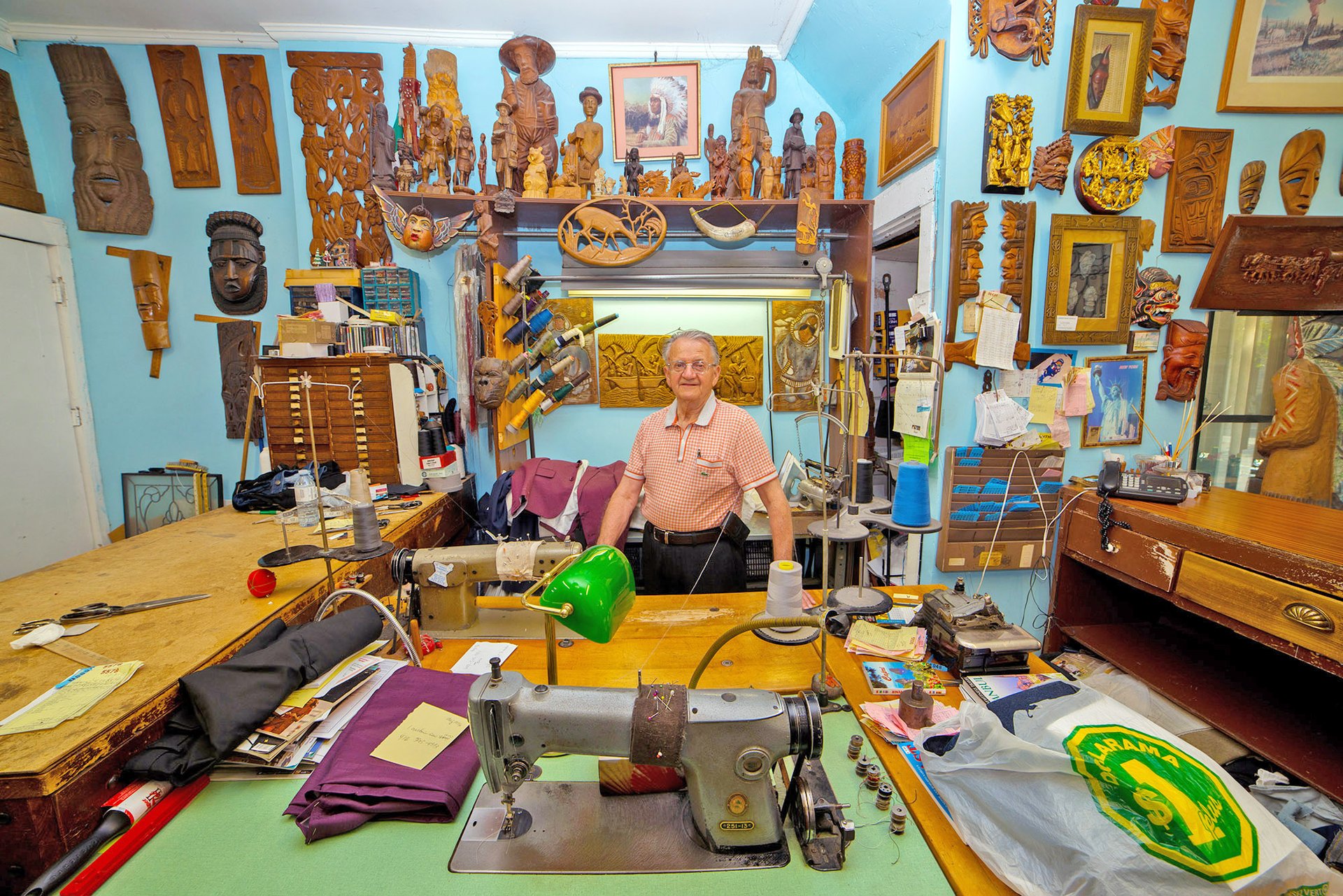
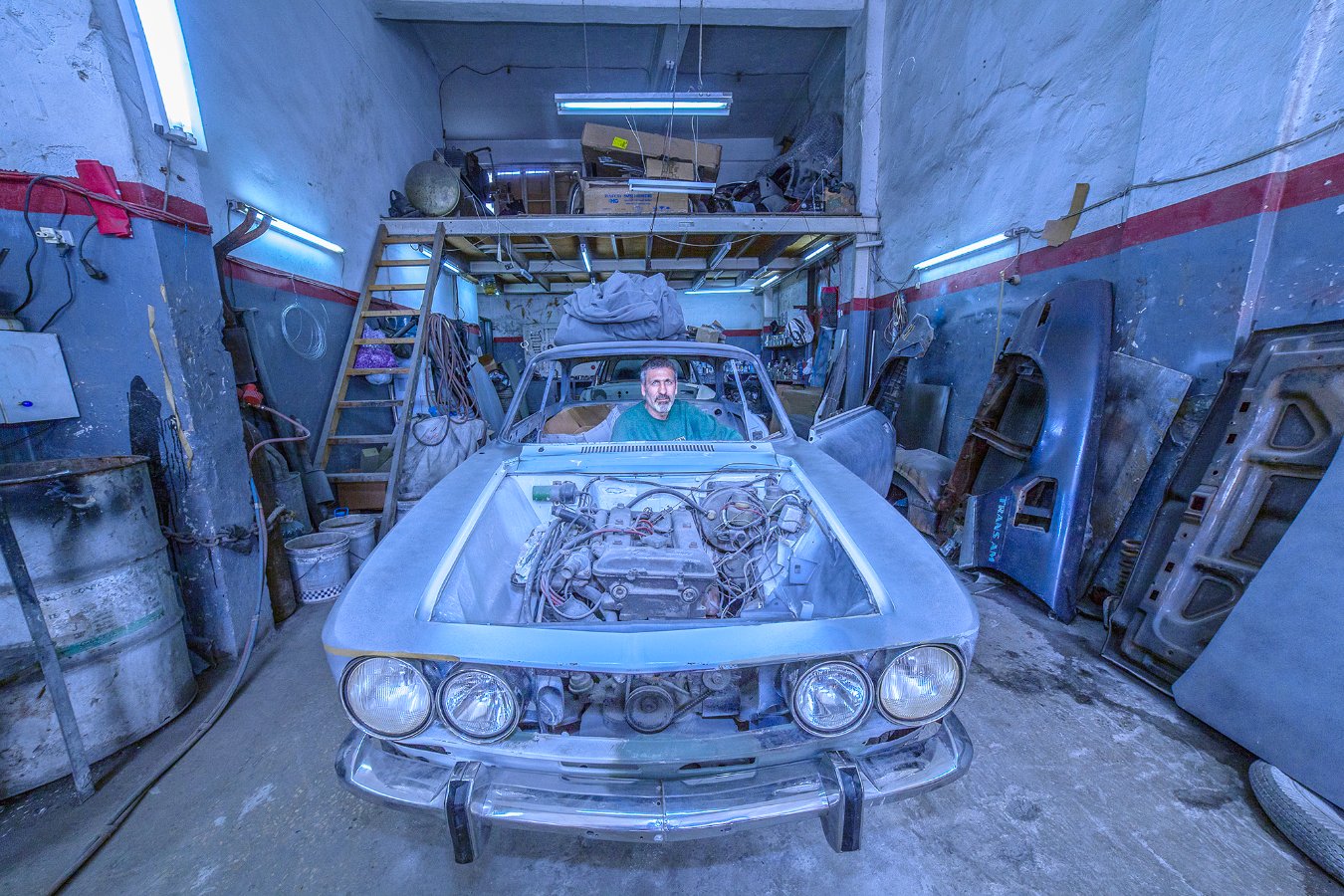
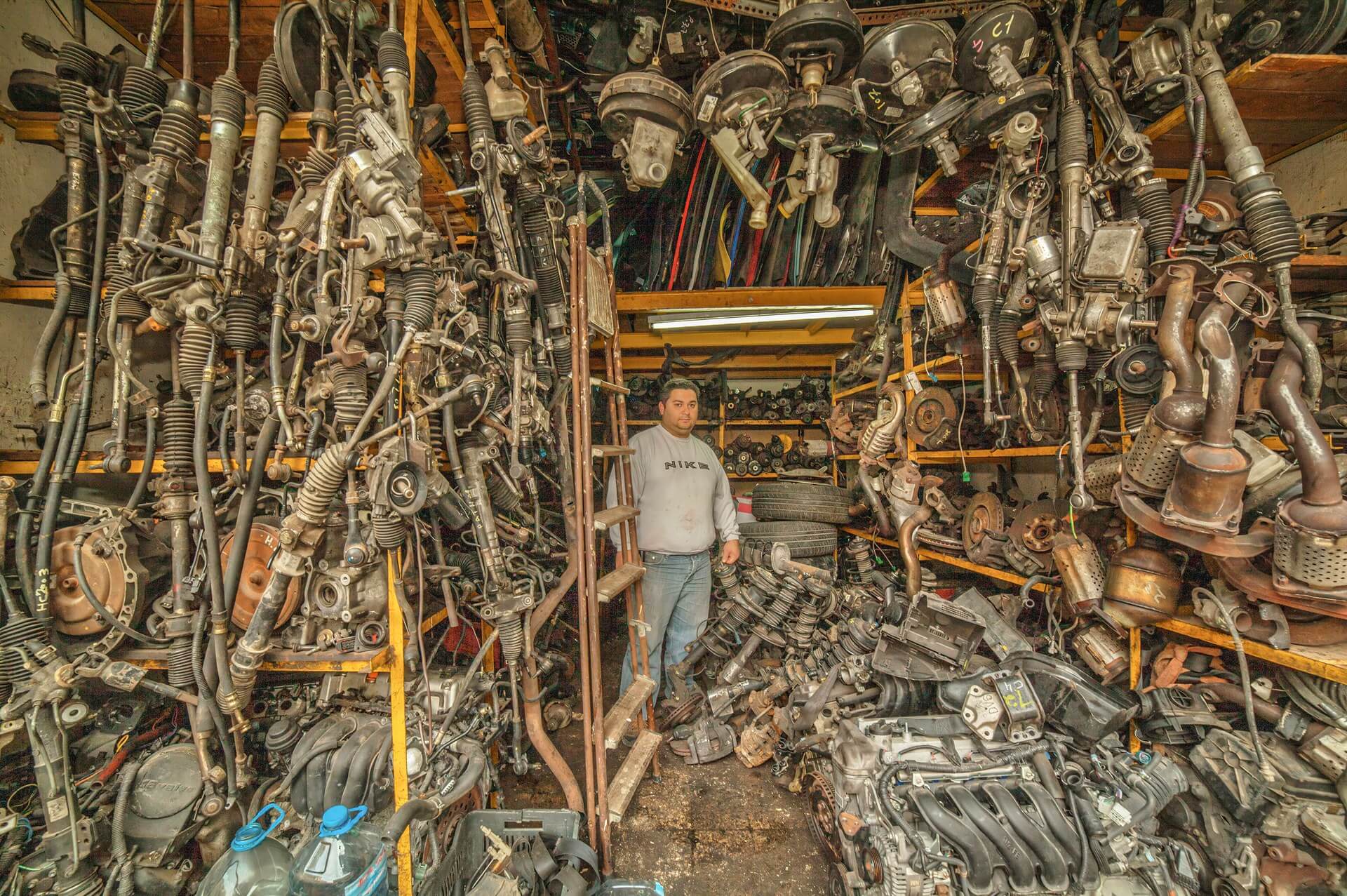
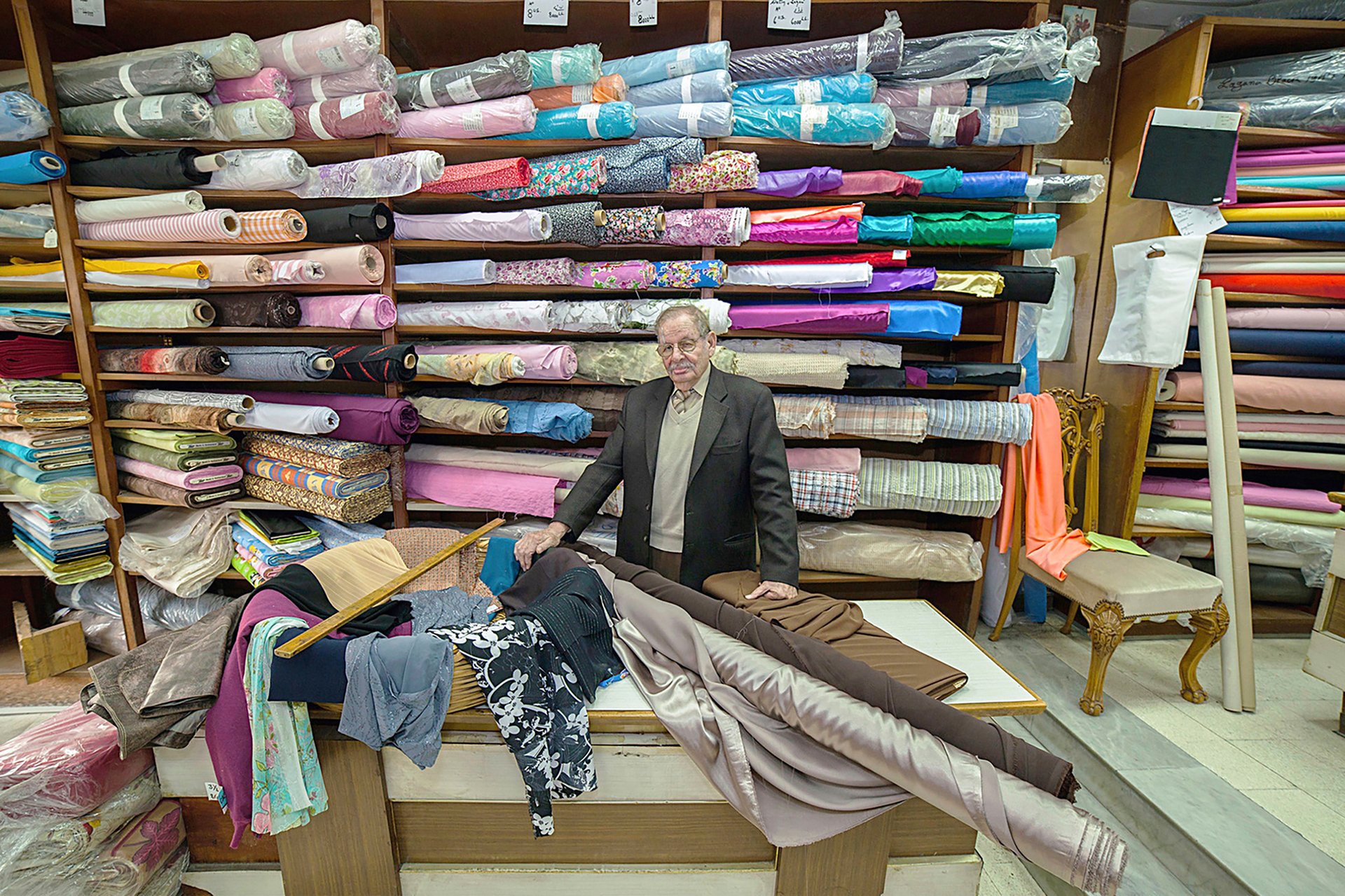
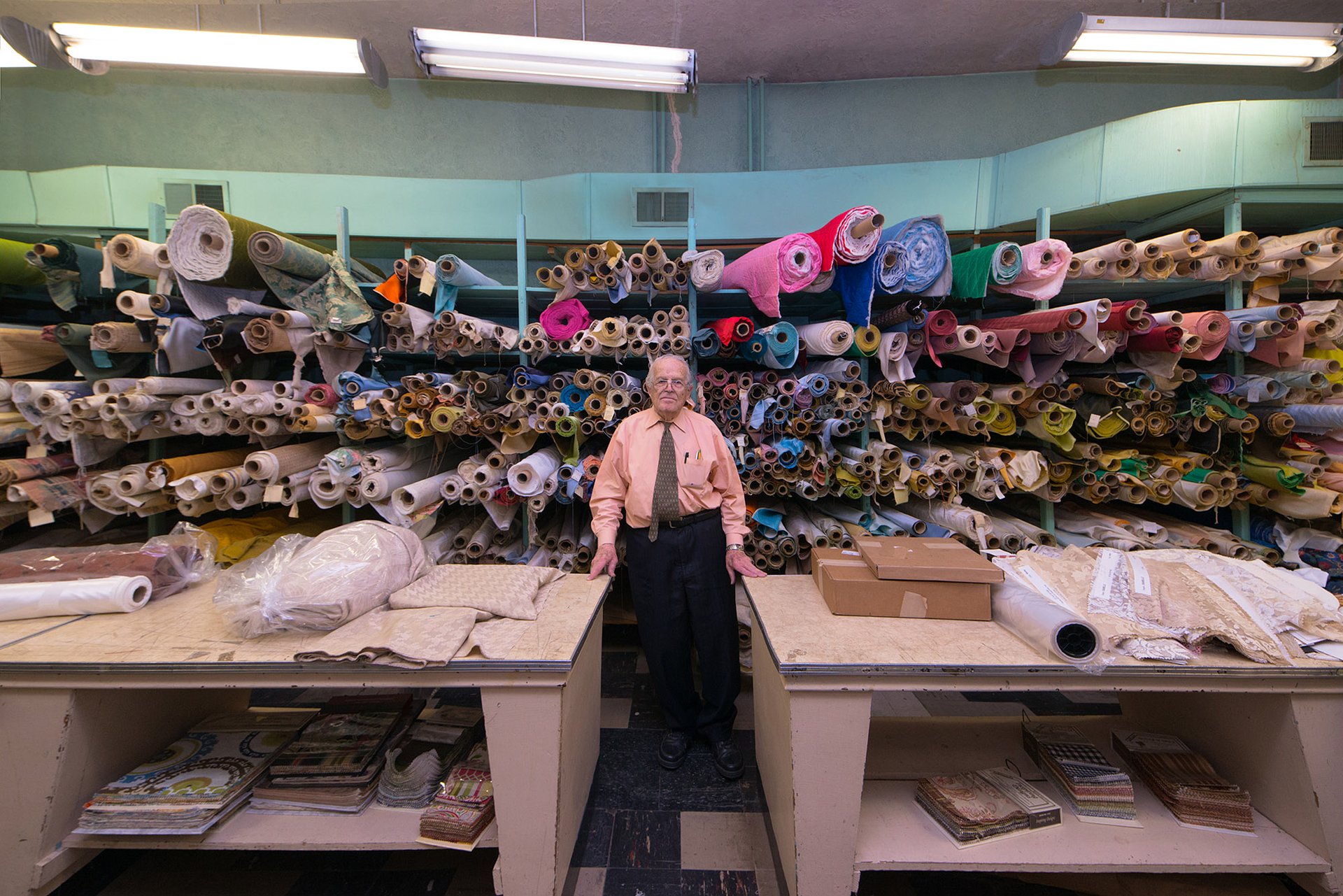
My name is Harold Paul, I am eighty-seven years old and I own Paul & Fils. I work six days a week. My wife and I run this company, which my parents founded in 1919. Neither our children nor our grandchildren are interested in taking over. We take enormous pleasure in what we do. We get along very well. Our workshops are on site. We make the curtains, we handle the styling, and we have a team in charge of installation. Our work is not limited to homes: we also take commercial contracts, we work with film sets and cruise ships. As long as it hangs, we take care of it.
My wife Sylvia and I are quite old, and we are starting to wonder whether it would not be better to stop everything and devote ourselves to ourselves. Last Monday was our wedding anniversary. We married on February 29, seventeen leap years ago, so sixty-eight years. We are happy together and we hope it lasts as long as possible. You are welcome to visit us whenever you like.
Harold Paul passed away on September 25, 2020.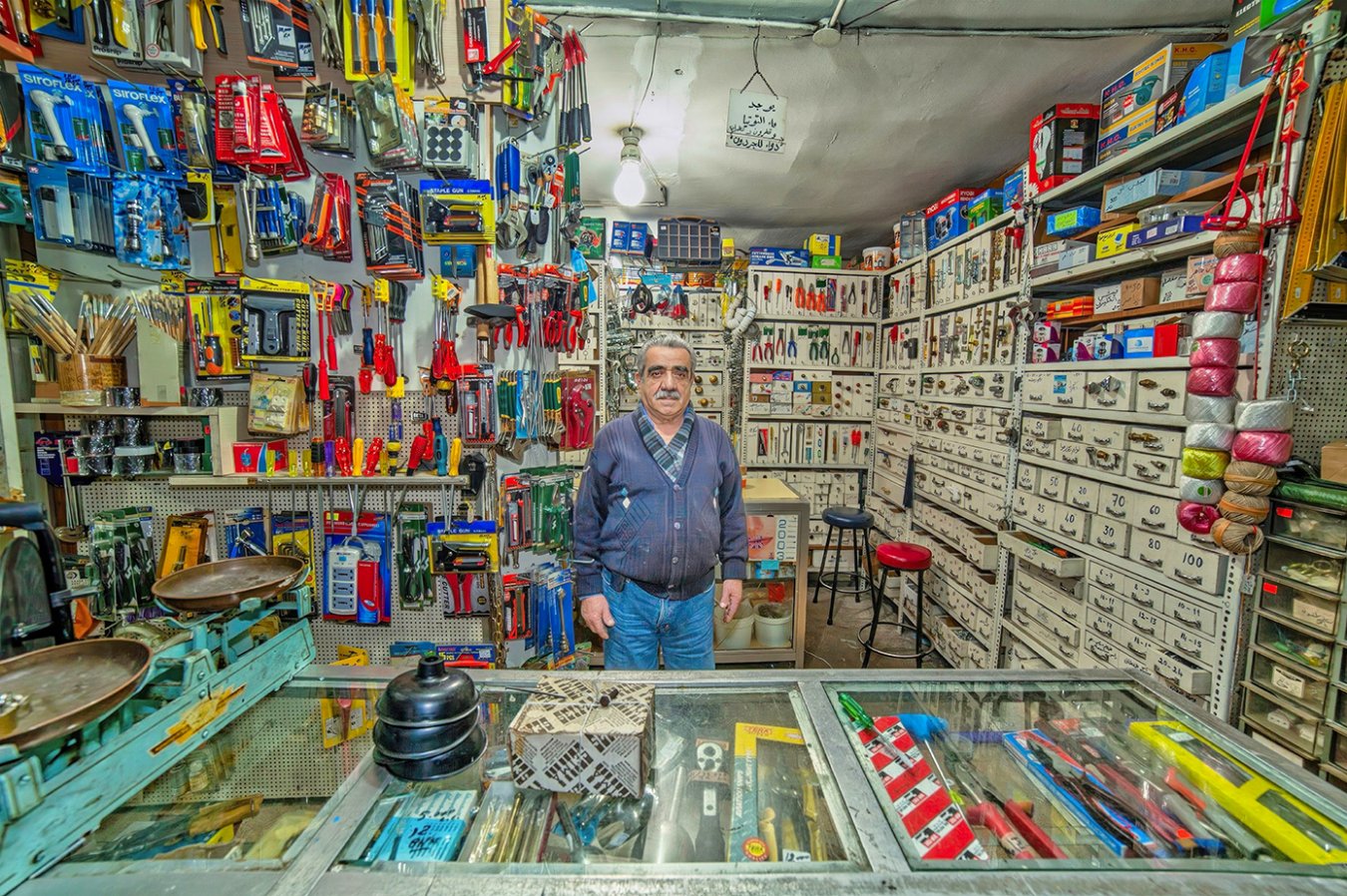
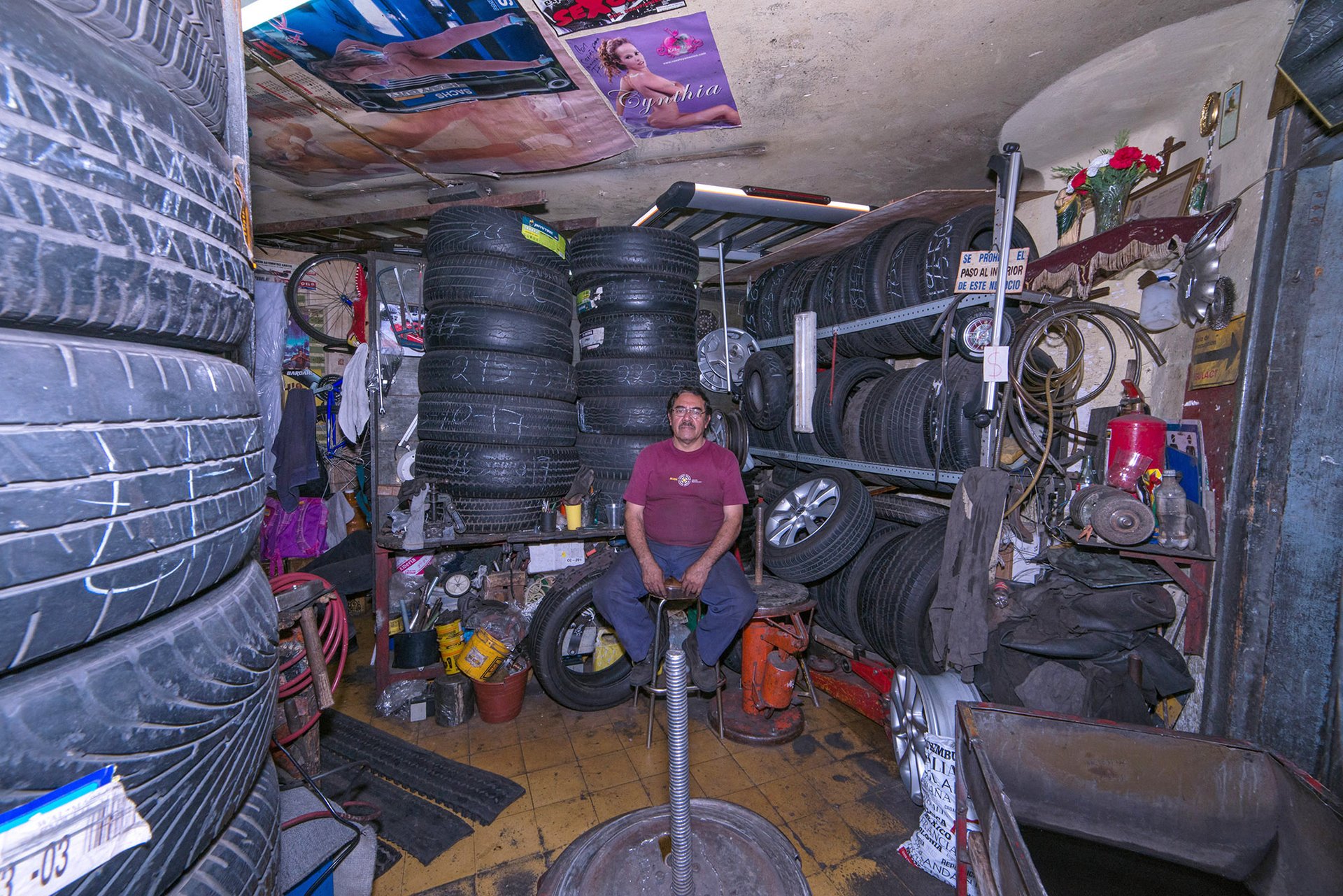
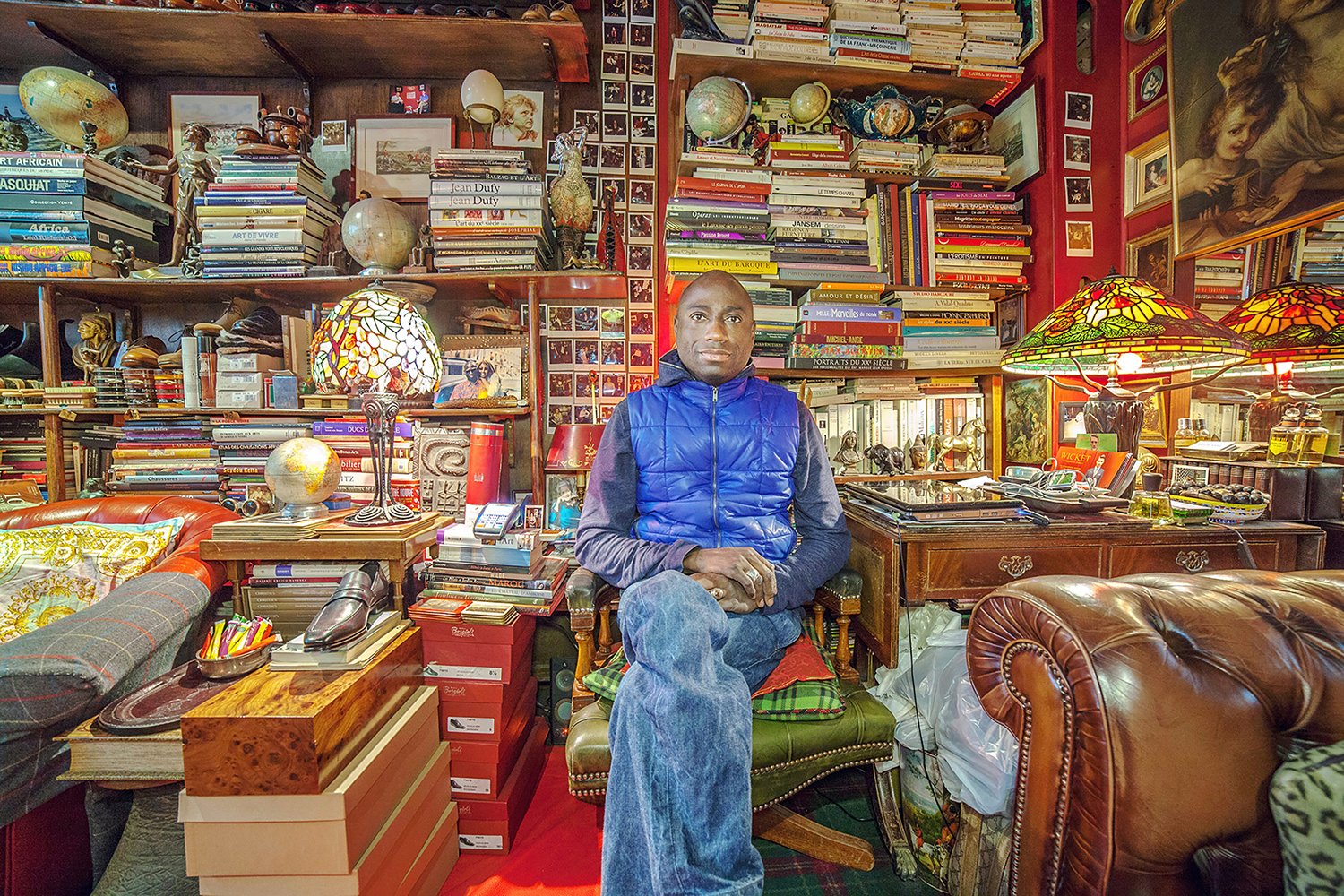
My name is Baba Conrad Sarr. People call me "Baba", in tribute to my father Babacar, a Senegalese man who died a few years ago, and who sparked my passion for shoes, or rather "souliers", as he liked to say. I have been a shoe shiner for about twenty years. But when you love something, you do not count the hours.
I studied like everyone else and earned a business diploma, then I travelled a little. It was during my travels that I realised that in France there were many trades that either did not exist or did not really have value in people's eyes. I had a consuming passion for looking after my shoes, and I wanted to put it at the service of everyone, because people always told me you recognise a man by his shoes. So I thought, why not open a salon where I could not only spend time with my friends, who share my passion, but also make it my job. That is how the Salon Baba was born.
I love spending time in this place: the atmosphere of the salon is unique. I have not seen many unusual salons like this one. It is a place where people talk about everything except shoes, which is impressive. I like meeting people; it makes me happy. I have spent the best days of my life here. I meet a lot of people through my work. When you come in here, you become Mr Everyone. The labels, we leave them at the door: you become a friend of Baba, you become part of the Salon Baba.
The shop is in a posh part of Paris, the Golden Triangle. Taking five minutes to sit down for a coffee or a tea is very important in our traditions; many friends come to the Salon instead of going to a bar or a café. They meet people and they relax; that is very important to me. Here, nobody is a number: every person who walks in adds value to the Salon, because they bring their acquaintances. I learn from others every day, and that makes me grow, because I always need to learn.
The Guardians is a recognition, it was love at first sight. André Gide always said "choosing is renouncing". At first I did not want Vladimir to take my portrait, and now I would do anything to be a Guardian.
ALL RECORDINGS
My name is Adolfo. I repair and sell vacuum cleaners. My father taught me the trade, and I continue to work here. I opened this shop in 1995 in the Condesa neighborhood.
I would like this trade to continue, to keep serving people. Especially for economic reasons — you can't just throw an appliance away and buy a new one. It's a tradition, a trade that has existed for many years. My father started it, I took over in 1970, and I continue to this day.
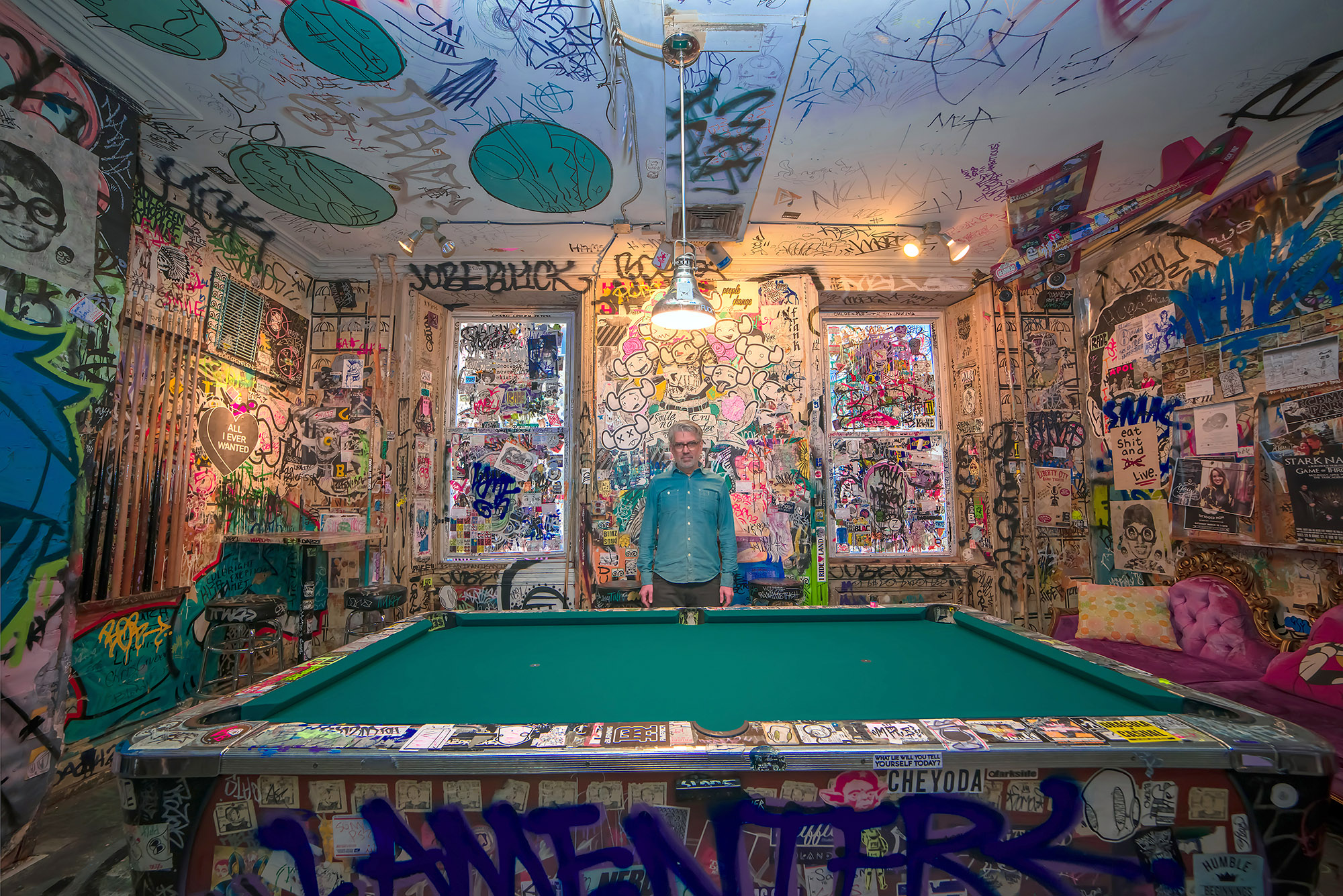
My name is Robert Perry, I am fifty-four years old and I live in Philadelphia, Pennsylvania. My establishment is called Tattooed Mom, and we will celebrate its twentieth year next year. Tattooed Mom is the sum of all the people who gather there and leave a small part of themselves behind. Its look changes every day and every evening, and that is what I love most about this place. The place has evolved in a very interesting way over the years. It has become a meeting place, for exchange and discussion, for artists, writers, filmmakers, politicians, and even for mothers and their children. Each of these people leaves a trace. That is what fascinates me most. My dream is that this adventure never ends, and that Tattooed Mom remains this beautiful space of expression and sharing, welcoming and safe for all communities. The finest compliment anyone can pay me is to tell me they feel at home here, that it is a place outside of time, which could no longer exist today in cities like Paris, New York or London. It is simply no longer possible. I wonder about the survival of such a place while everything is changing everywhere. Philadelphia is not spared by gentrification. Real estate agents, greedy for speculation, will end up pushing us out, and we will make way for other chains and luxury housing. But you know what? Even if Tattooed Mom is no longer here in twenty, forty or sixty years, its essence will continue to live on in people's hearts, through their memories, their photographs and the art they created here.
I was born in Hawaii and lived there until I was seventeen. I went to school in Boston, then travelled a great deal across the United States and Europe before settling in Philadelphia, because a friend of mine lived there. Life seemed more affordable, cool and a little frightening, and it gave us, as artists, the feeling that everything was possible. I worked as a graphic designer and art director at a small publishing house. I had met the owner in a bar and we quickly became friends. He offered me a job with him, and little by little my responsibilities grew: I organised parties and I DJed. That is how I met several bartenders who suggested we go into business together to open "Sugar Mom's", a bar in the old city. I explained that I could not afford to quit my job and that I did not have a penny. They reassured me and said everything would be fine, so I gave everything up and followed them into this adventure. I was in charge of the visuals. It was great fun. After launching Sugar Mom's, one of the partners suggested we open another place in our neighbourhood, on South Street. I did not hesitate for a second. That is how "Tattooed Mom" was born. Everyone knew her as "Mom"; she was tattooed all over and looked after the bands passing through Philadelphia. She was like a mother to many people, which is why we decided to name the place in her honour. At the very beginning, the walls were not so visually busy. Having lived in squats frequented by artists and musicians, we were used to seeing our friends express themselves on the walls. The word got around, and artists from all over began adding their graffiti, stickers and collages to our walls. It has been going on for almost twenty years. It is amazing to see that people from all four corners of the world know and appreciate our place. With Instagram, people follow the place's evolution and write to tell us they will leave their art at Tattooed Mom on their next visit to Philadelphia. Tattooed Mom is a second home for many people; they feel really at ease here, and for me that is the highest compliment I can receive.
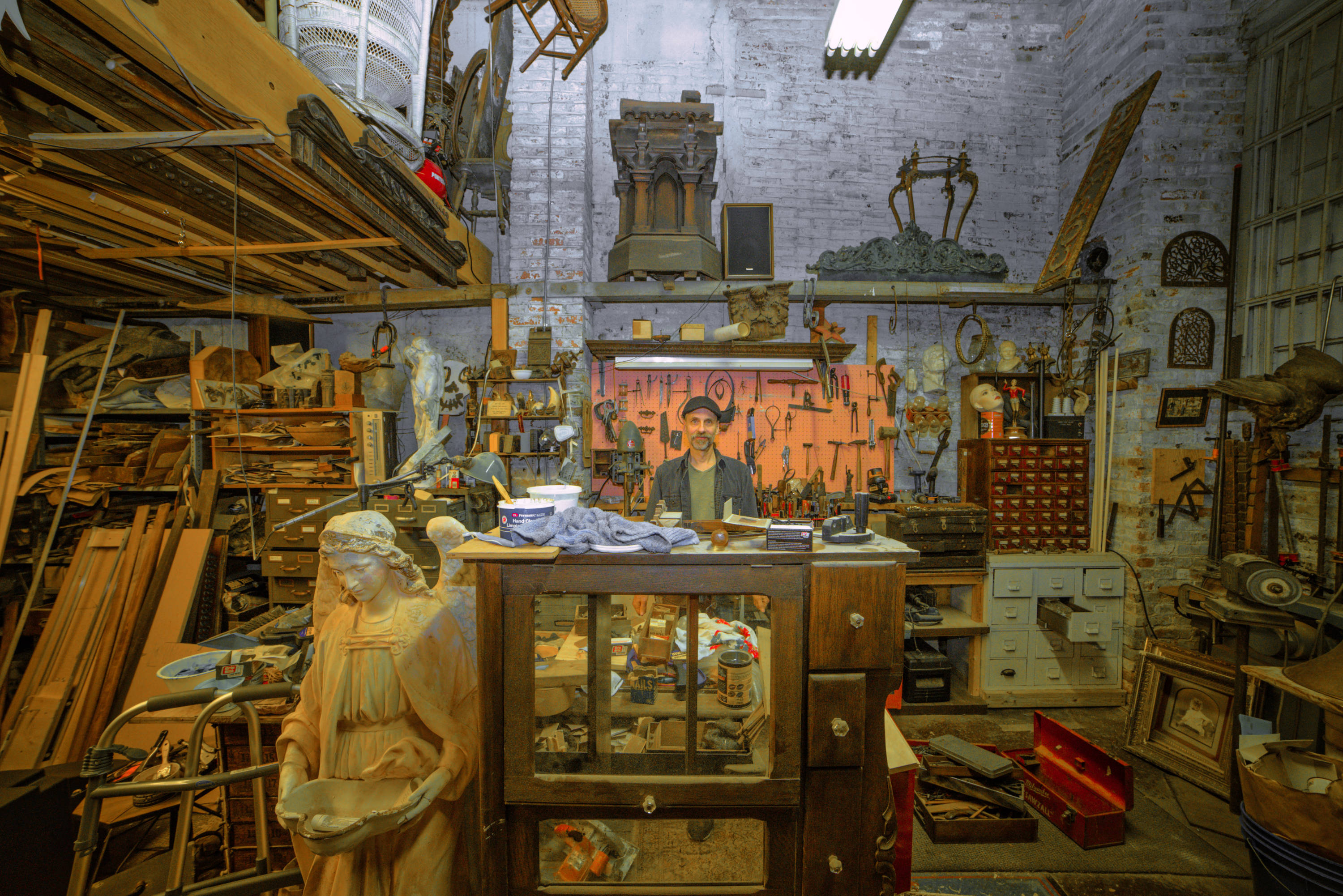
My name is Scott Evans, I am sixty years old. I started in business with Anastacia thirty years ago, after buying a house that needed renovating and furnishing. It was by rummaging through the rubbish that we found interesting objects and furniture. Some were damaged or broken, but thanks to my carpentry skills I was able to restore them. The basement of our house was my workshop, then we moved to another space before settling here. The garage behind the shop is my domain: over the years I have gathered a collection of tools and acquired the skills needed to repair and restore old furniture. We also make lamps in the room next door.
Passion is what drives us. When Anastacia and I decide to stop everything, I imagine all the objects will be sold at auction and the shop will be torn down to make way for luxury housing. But retirement is not for right now. You know, people like us do not retire; they work until they die. So what is likely to happen is that one of us will die and the other will stop. I cannot see myself carrying on without her. This shop is her baby and I am her employee. I live to make her happy, that is all.
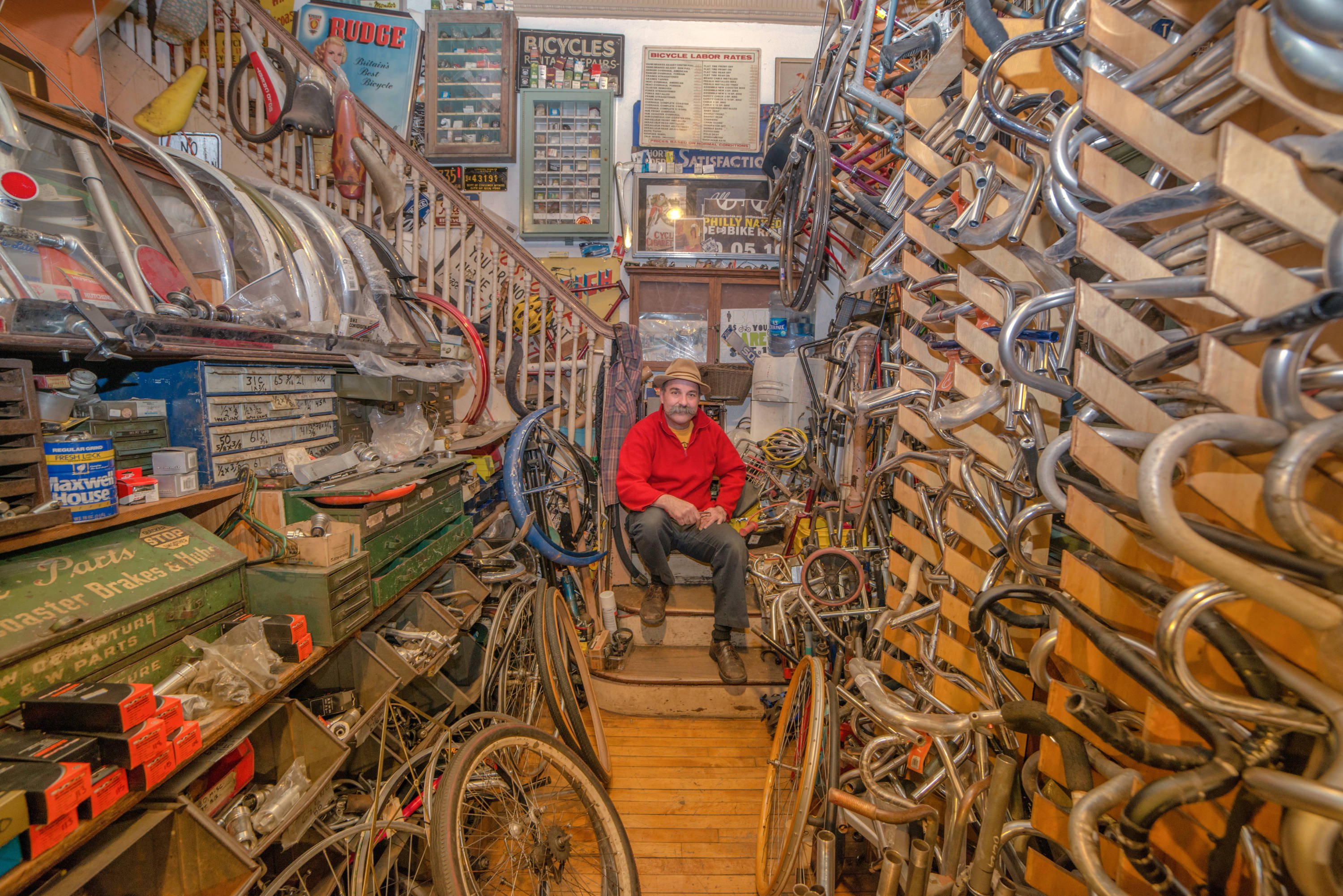
My name is Curtis Anthony, I am fifty-seven years old and I come from Philadelphia. I have been selling bicycles since 1982. I opened Via Bicycles thirty-four years ago, thanks to a five-thousand-dollar loan from my mother and an antique bed as collateral.
I am lucky to be able to live from my passion. I ask my employees to offer honest, quality service and to treat our customers as well as possible, so that they want to come back. Usually they do. This is our third address since the original opening. We mainly sell used bicycles. I appreciate that most of our customers use their bikes to get around. It makes me happy to know that I help provide a service to the community.
Upstairs are all the collector's bicycles, from 1880 to today; we have gathered them over the years. I am really a bad businessman, so sometimes I sell a few of them to pay the rent and keep the shop open. If we cannot repair your bike, we will find someone who can help you.
I would of course love my business to last once I retire, but it is increasingly difficult to find people who think not only about profit, but above all want to offer quality service.
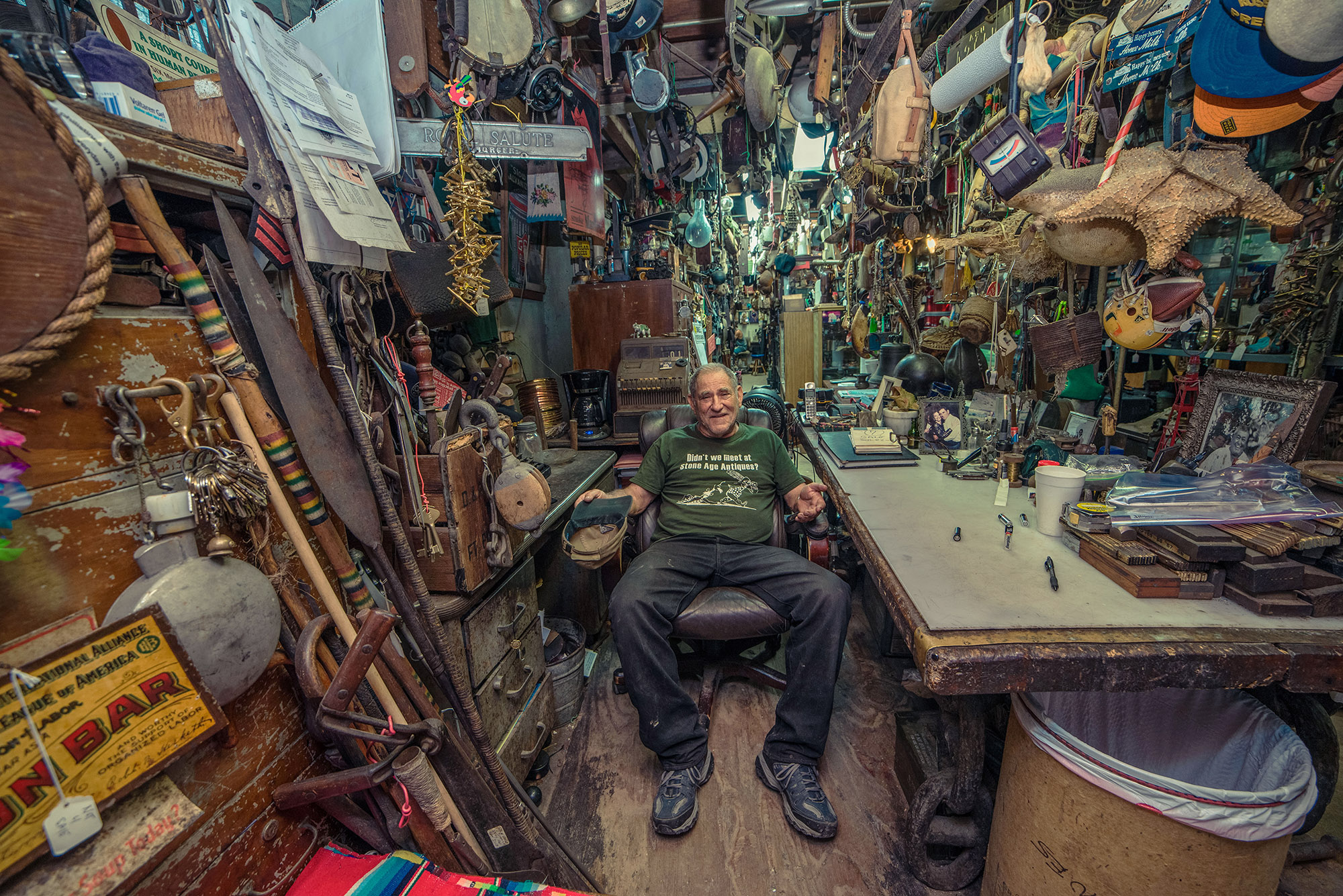
My name is Gary Stone, I am seventy-two years old and I am the owner of Stoneage Antiques.
My father Milton and I started this business forty-nine years ago. He was a landscape gardener, and through landscaping he bought sheds, anchors, chains and so on. People came to see us after the work we had done at this or that place, and asked us to install a cannon or an anchor in their garden. So we began gathering a number of objects, and that is how our antiques collection grew. When I turned eighteen, I told my father I was fed up with digging holes, and that we would do better to devote ourselves to selling historical artefacts, notably cannons, swords, boat parts and prehistoric objects, such as a 20,000-year-old mammoth tusk.
My father passed away about twenty-five years ago, and I took over. That is how this adventure began.
My son Ryan now runs the store with me. We sell and rent an enormous amount to film productions, television programmes and local venues. Our warehouse is a unique source of supply for interior designers and artists, as well as for magazines, theme-party organisers and even restaurants.
We have acquired most of our antiques over the years, often through property sales. We are one of the most interesting and fascinating places in the country.
Our warehouse is off the beaten track. You have to hunt us down to find us. It is strategic: people who find us often come to buy something, and this way we avoid the gawkers.
On June 14, 2018, Ryan Stone announced on Facebook that the store was for sale.
"A few months ago, my father and I decided to sell the store. Thank you very much for these fifty magical years. The spirit of the place will last forever, as it has for three generations already. There are not two places like this one in the world. Once again, thank you to everyone who loved our store for what it was. Best wishes to you all. Ryan"
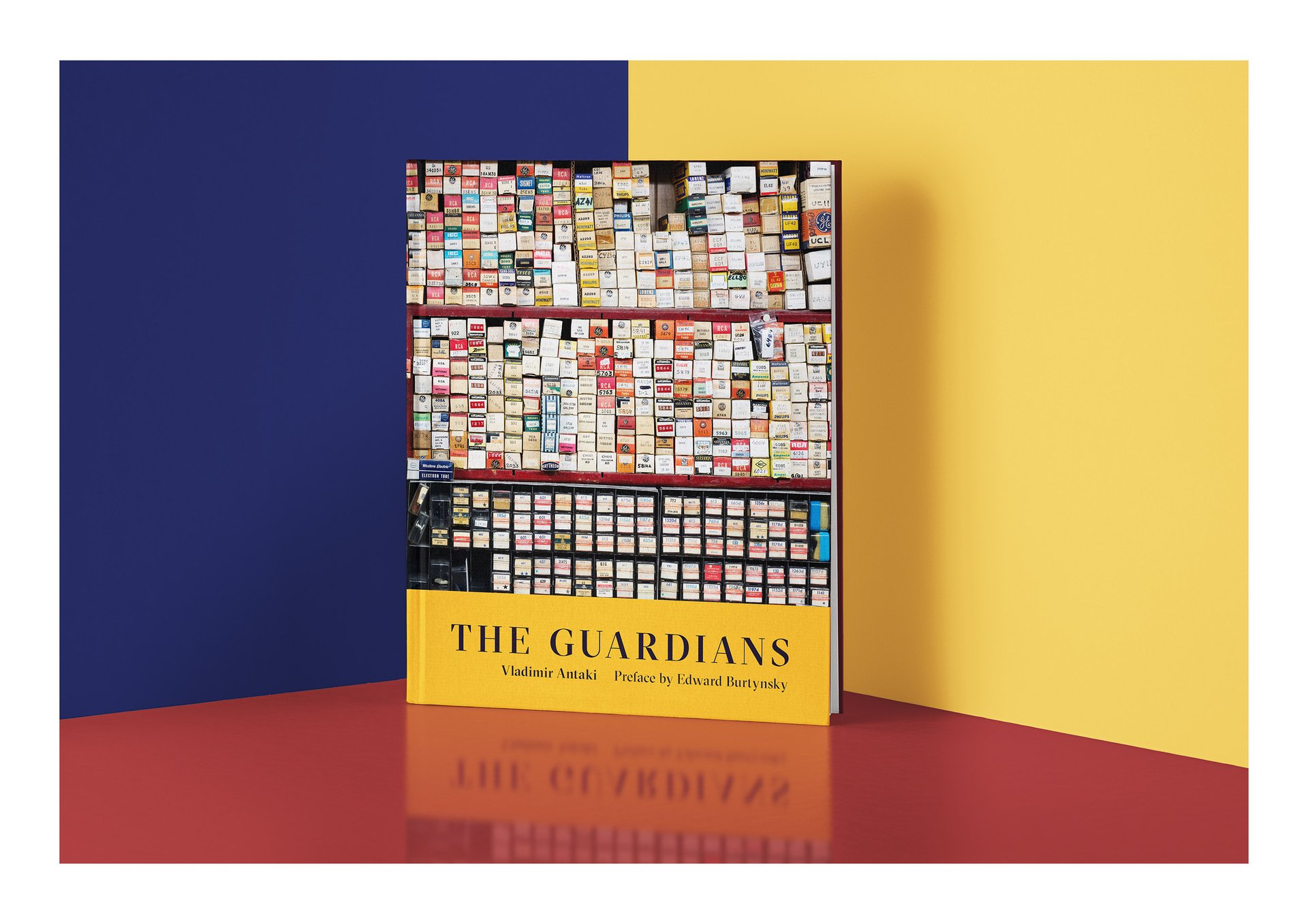
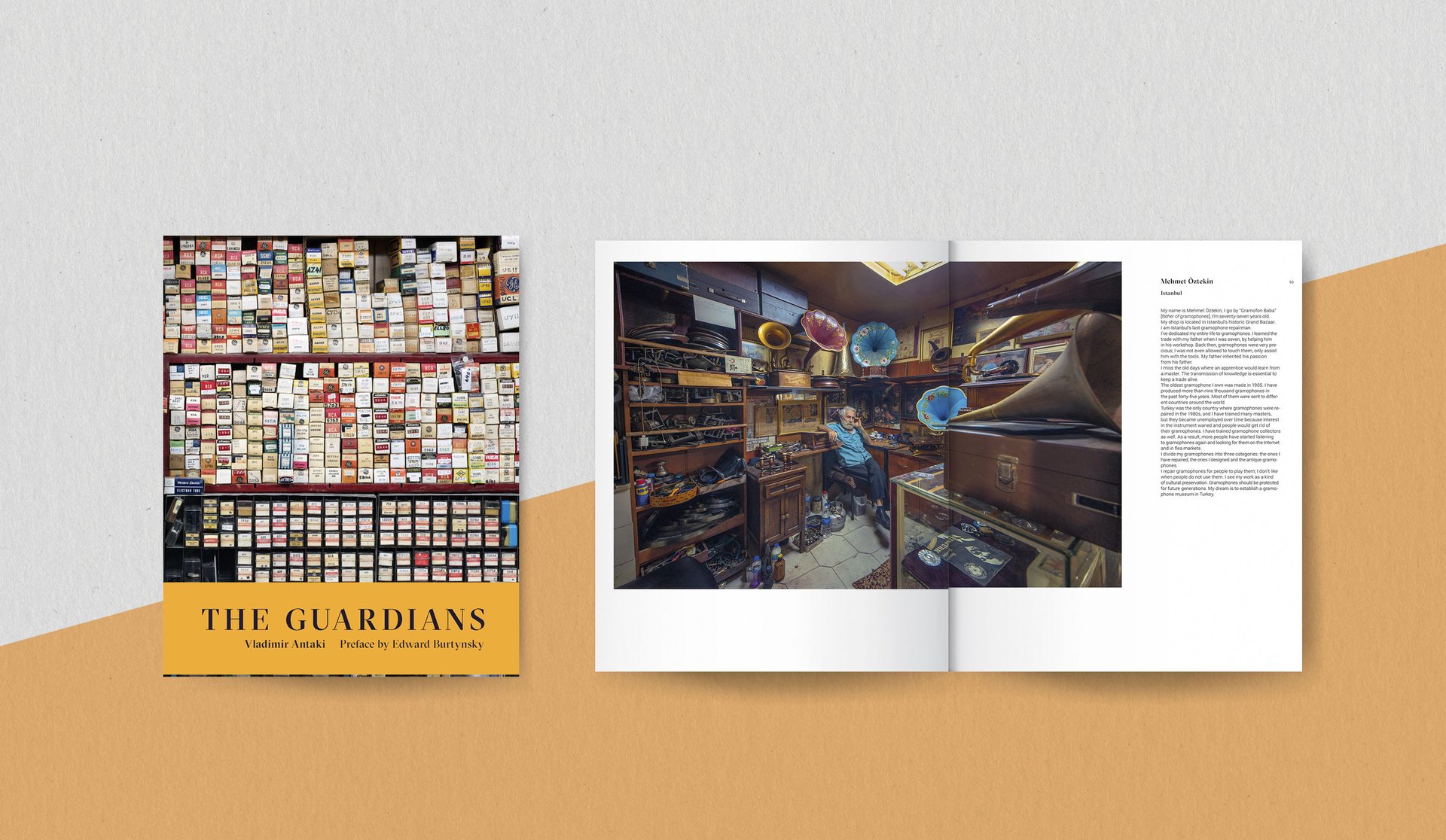
The Guardians, a monograph published by Kehrer Verlag in 2019, with a foreword by Edward Burtynsky. A selection of portraits accompanied by the Guardians' accounts, in their original languages.
hologram seal.
Framing not included. White wood frame
with anti-reflective glass recommended.
WhatsApp · +33 6 21 04 60 00
hello@vladimirantaki.com